Will Write for Cookies: A CONVERSATION WITH TWO CREATORS AND THEIR CHARACTERS Plus Giveaway

WILL WRITE FOR COOKIES

INSIGHT – INFORMATION – INSPIRATION

FOR WRITERS, ILLUSTRATORS, PARENTS, TEACHERS, LIBRARIANS,
AND BOOK LOVERS EVERYWHERE

TODAY’S GUESTS
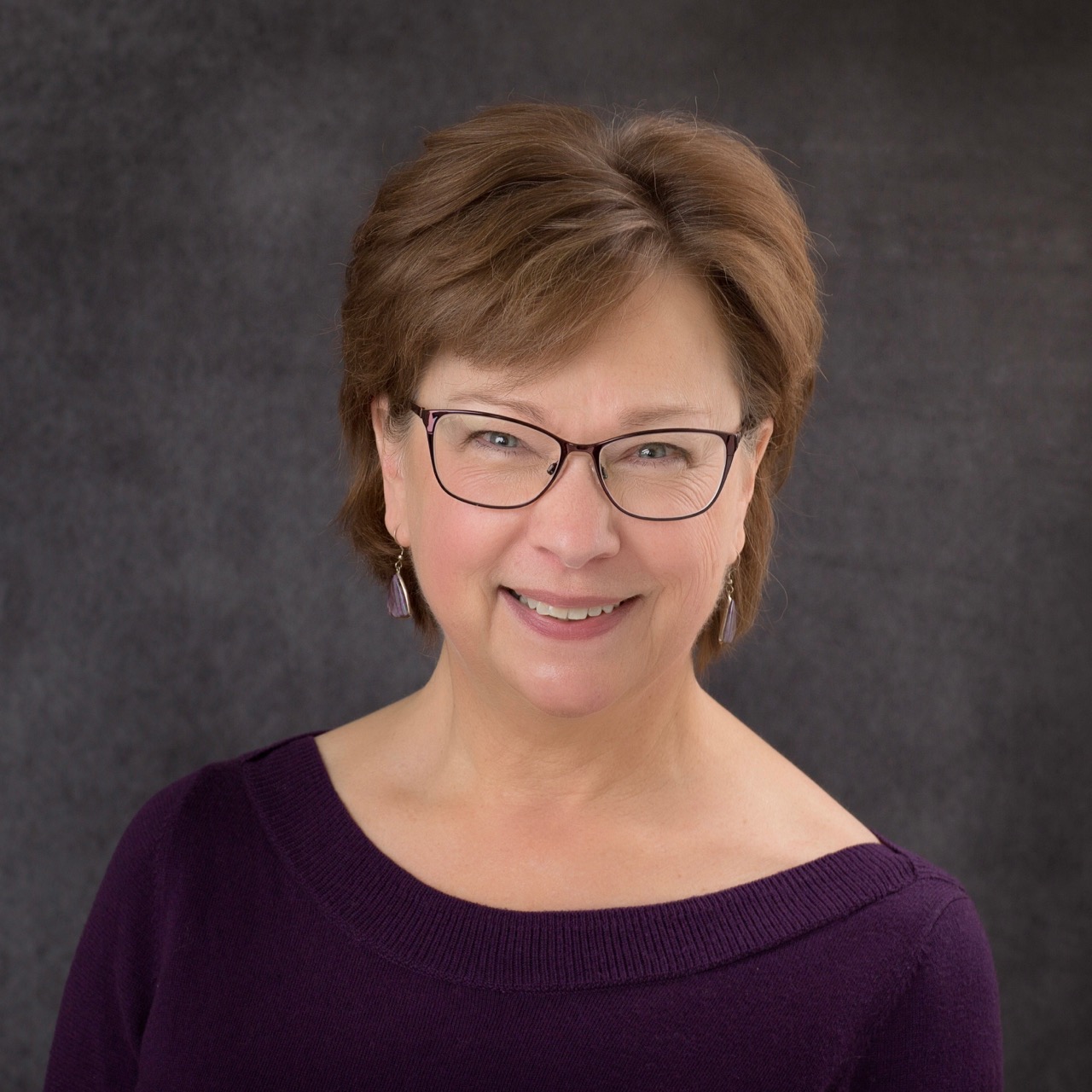
Welcome, everyone! I hope you are all safe – the world is a sad and scary place sometimes, but it’s important to continue to connect with people and projects that give us joy, even in the midst of troubled times…maybe especially in the midst of troubled times. And when I discovered that one of my dearest kidlit friends and long-time CPs, Beth Anderson, had a new book launching right around the time my latest book was launching, we knew we needed to do something special.
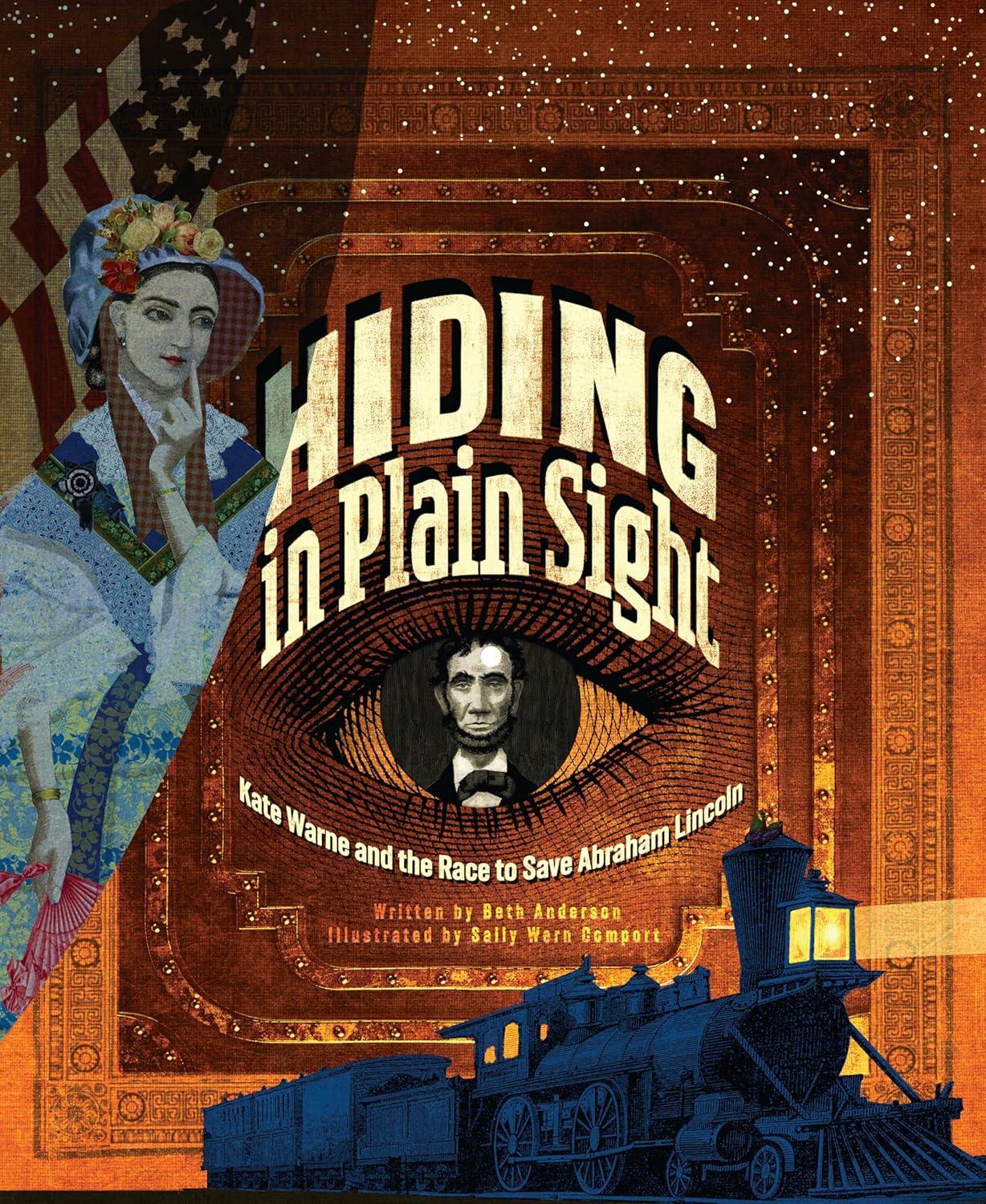
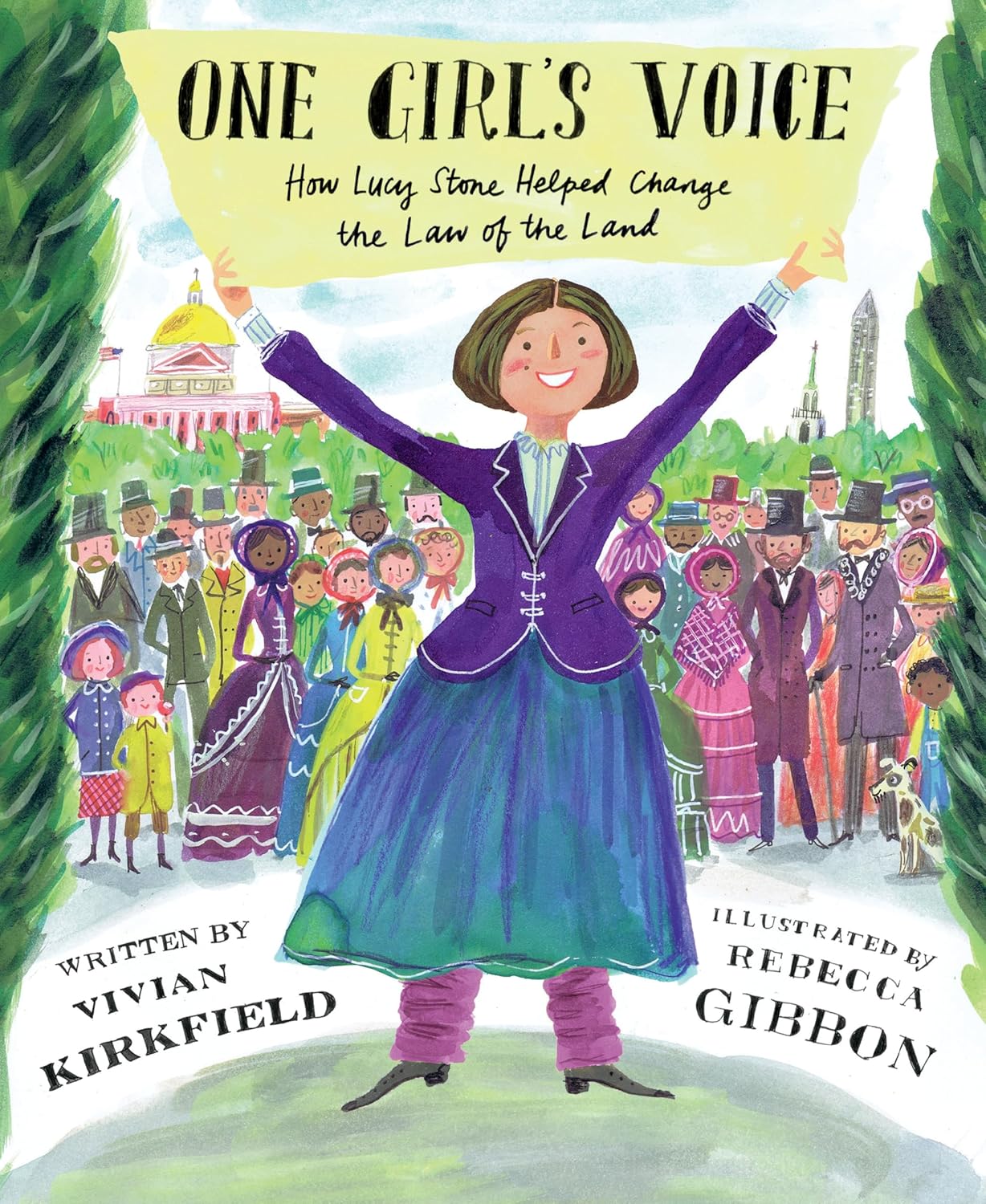
Both books are nonfiction picture books. Both books focus on women who refused to accept the role society offered them. Instead, both women used their skills, courageously making their voices heard..and making a difference of global proportions.
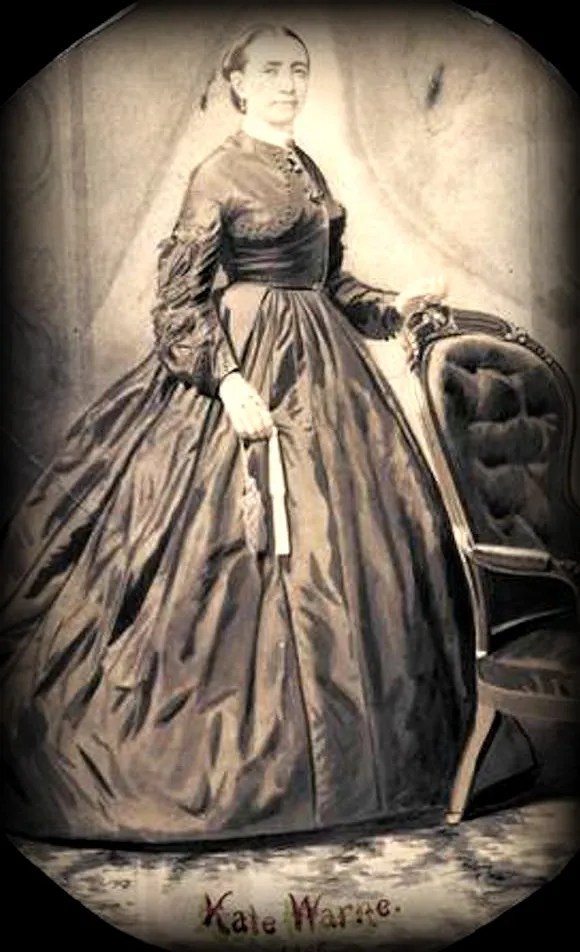
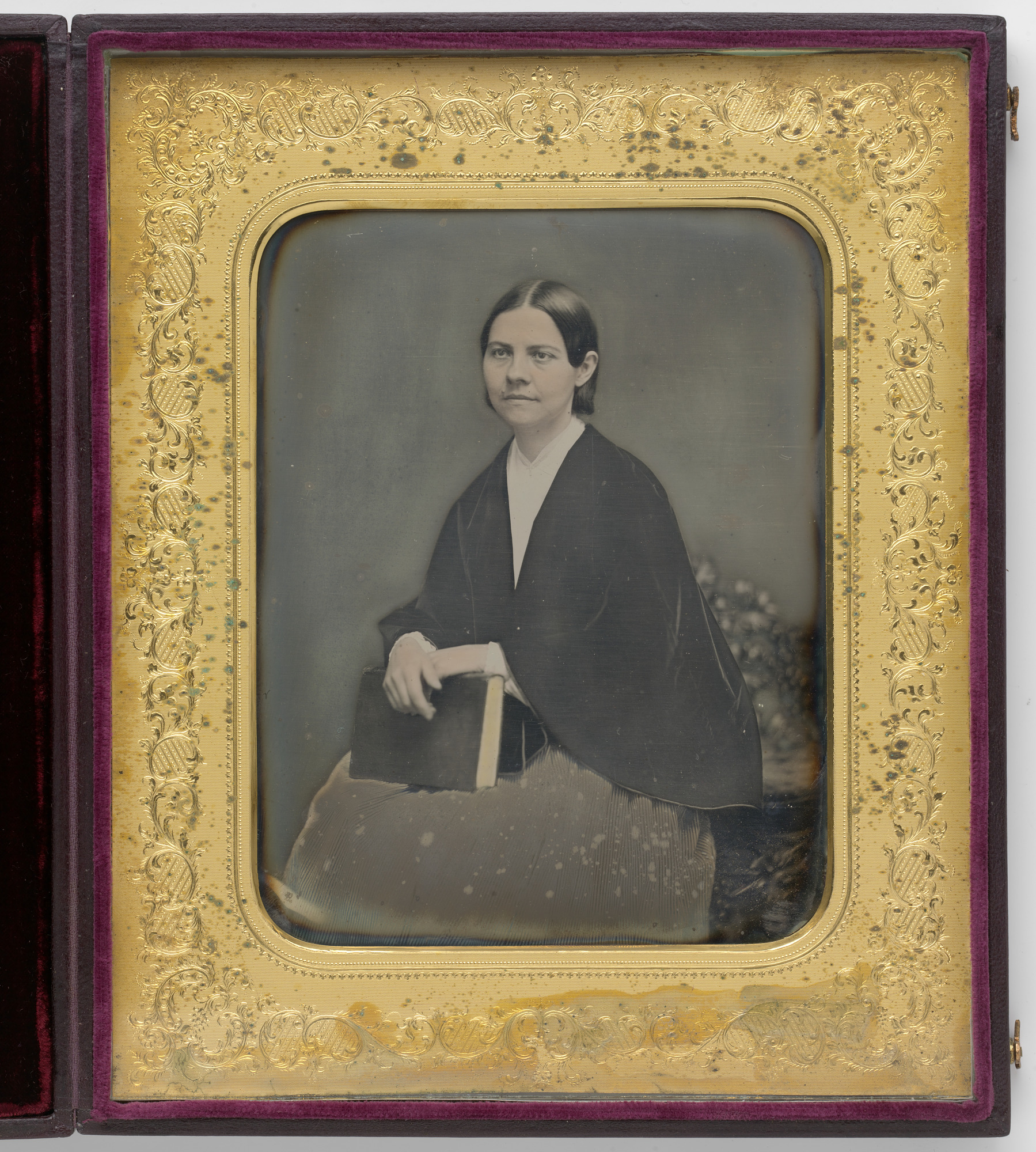
So, please grab your coffee, tea, hot cocoa, or beverage of choice and sit back to enjoy a conversation of sorts between book creators and their characters.

VIVIAN: Hi, Beth. I’m so glad you are here – and although your character, Kate Warne, and mine, Lucy Stone, can’t be here in person with us, I know they are here in spirit. So, I’m curious. Why did you feel kids needed to know about Kate? How will young readers relate to her hopes and dreams and the path she decided to take to become a Pinkerton detective?

BETH: Thanks so much, Vivian. I’m excited to chat about these amazing women. Kate’s story interested me for so many reasons! It was a detective story! With a gutsy woman who blazed an unusual path. It’s about a piece of history, the Baltimore Plot, which I’d never heard of before. And, it features a favorite person from history, Abraham Lincoln. Like me, I think kids will connect to the secrets, a dangerous plot, and be fascinated by this exciting peek “behind the scenes” that lets us know how complicated, and surprising, history can be.
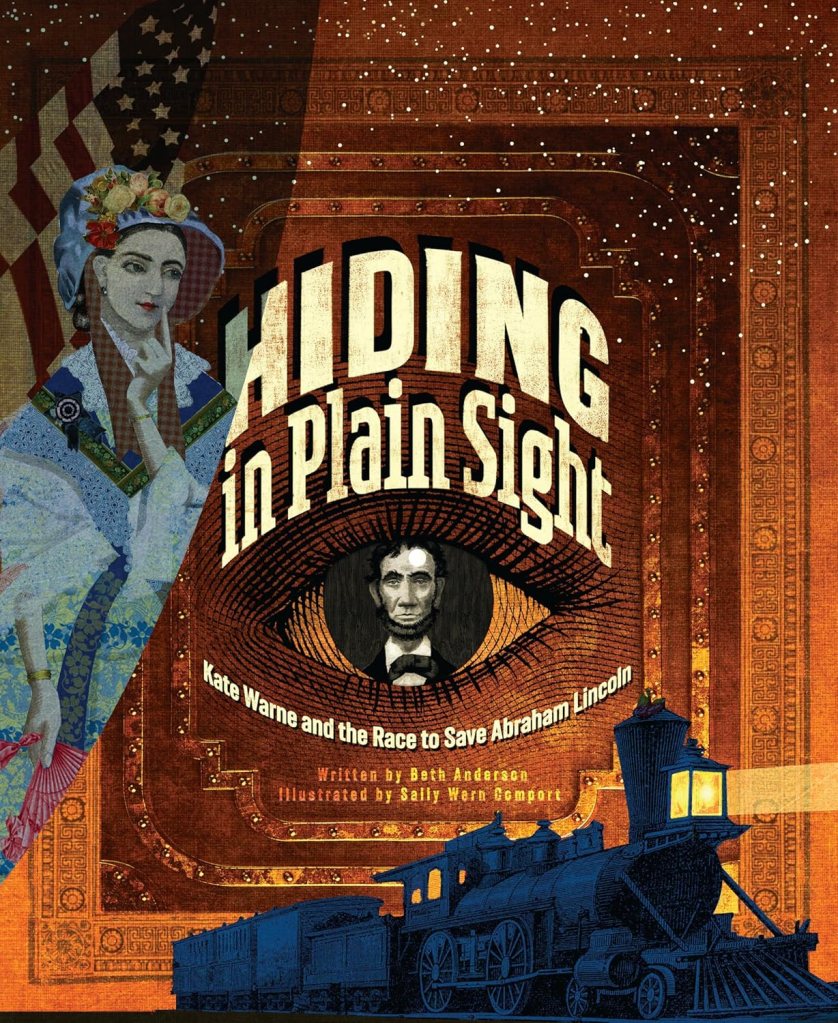
Kids need to know about Kate because she’s a “regular” person like most of us. She put herself out there, not seeking fame and fortune, and took risks for others—and she impacted history. This event shows how important us regular people are, which can inspire hope, courage, and action when we look at the world today.

So now, I’m curious about your choice. Why did you choose Lucy Stone to write about? Why do you feel kids need to know about her?

VIVIAN: I absolutely love history…and I love discovering people who made a difference, but who might not have been recognized for what they did. I uncovered some information about Lucy Stone when I was researching Annie Londonderry and then someone, I think it was you, told me that there was going to be a Lucy Stone History-At-Play. I saw the performance by Judith Kalaora, who painstakingly researches famous women in American history and then creates fascinating performances, dressed in authentic costumes. The Lucy Stone performance inspired me to find out more. From the performance, it sounded like she was the one who inspired Elizabeth Cady Stanton and Susan B. Anthony to fight for women’s rights. And like you, Beth, when something sparks my curiosity, I have to find out more. I think many kids are like that – and I hope that ONE GIRL’S VOICE will spark the curiosity of many young readers. I believe kids will relate to her because there are many spreads/scenes that take place when she is still a child, railing against the rule of the day in the 19th century, that women should remain silent – and Lucy was determined to make her voice heard – and she did!.

It’s interesting, Beth, that both women lived around the same time. There is a lot of information about Lucy and her early and later life. She was born in 1818 in Massachusetts  and died in 1893, but…not much is known about Kate. She was born about 1833 and died in 1868. Their lives intersected in time, if not in person. We don’t know if they ever met, right? Also, how did you craft a story without access to a lot of information?

BETH: That’s true. There is a lot more information about Lucy Stone than there is for Kate Warne. It’s hard to understand how she came to be who she was without knowing much about her childhood. Since this event involves Lincoln and Pinkerton, we have some sources that share Kate’s role. But it’s also interesting to note that some sources mention the plot and Pinkerton, but don’t mention Kate, an example of women often being left out of history. To tell her story, I needed to research far and wide to understand the challenges of her situation and the risks she took.

With such limited information on Kate’s life, it’s impossible to know if she ever knew about or met Lucy Stone. But…I can’t help but think that given the character traits we see in Kate’s actions, she would have read newspapers and followed the news on the fight for women’s rights. Who knows, maybe that inspired her to apply for a “male” job! Since Kate’s actions to save Lincoln remained a secret so she could work as a spy during the Civil War, Lucy couldn’t have known about Kate before her death. If they had met, I think they would have had great respect for each other and cheered each other on.

What do you think?

VIVIAN: Oh, I agree, Beth. Even though they were very different, they both supported equality for all. Kate guarded President Abraham Lincoln with her life, aware that this man was a force for good in the country. And Lucy devoted her life to fighting for abolition, equal rights for women, and equality for all. What I love is that both of them can be role models for young readers, especially girls who can see how important it is to question the status quo…that we can make change happen by our actions. And it’s crucial for boys to grow into men who respect the intelligence and capabilities of women. As Lucy Stone said when she addressed the New Jersey legislature in 1867 regarding woman suffrage, “Why should not a woman be President of the United States? The names of Elizabeth of England, of Catherine of Russia, of Isabella of Spain, of Maria Theresa of Austria – each of these proves woman’s capacity to govern. Are American women alone incompetent for great responsibilities?”
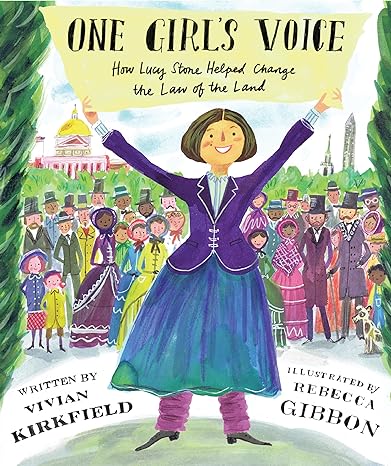
Do you think Kate would have agreed with Lucy’s statement about the ability of women to handle great responsibilities?

BETH: Most definitely! And she proved it! And though Kate could never talk about her work, she had to use her voice and persuasive skills, like Lucy, when she convinced Allan Pinkerton to hire her as a detective. And Pinkerton quickly became a firm believer in the capabilities of women! He created a division of female detectives and put her in charge. I also think it’s crucial for kids to see history through the eyes of people who experienced it – to see how they responded to the challenges they faced.

VIVIAN: Oh yes! That’s so true, Beth. We can read facts about history, but it’s so much more powerful and relatable when we see it through the eyes and actions of the true life characters in these nonfiction picture book biographies. Children can observe how Kate foiled the assassination attempt – and all the planning that she had to do and the courage she had to muster to infiltrate the enemy’s strongholds to learn what was going on. They can watch how Lucy met opposition with calm and steadfast purpose and how she never gave up her battle to secure equal rights for everyone, even when her own life was threatened.

And now dear friends, Beth and I have a couple of special treats for you.

  1. There is a GIVEAWAY! One lucky reader is going to WIN a copy of HIDING IN PLAIN SIGHT: Kate Warne and the Race to Save Abraham Lincoln, illustrated by Sally Wern Comport (Calkins Creek/Astra Books for Young Readers) AND a copy of ONE GIRL’S VOICE: How Lucy Stone Helped Change the Law of the Land, illustrated by Rebecca Gibbon (Calkins Creek/Astra Books for Young Readers). All you need to do is COMMENT on this post OR on Beth’s post: . And if you comment on BOTH POSTS, you get TWO chances to win the double book giveaway! When the winner is chosen on February 21st, Beth will announce and contact the winner and the publisher will send out the books (U.S. addresses only, please) so you’ll have them in time for Women’s History Month!
  2. But that’s not all, folks! Teacher guides are so important because these books are perfect for using in multiple grades and across various curriculum content areas. Beth’s guide for HIDING IN PLAIN SIGHT is already up on her website: Learn more about HIDING IN PLAIN SIGHT and download the EDUCATOR GUIDE here: https://bethandersonwriter.com/hiding-in-plain-sight-kate-warne-and-the-race-to-save-abraham-lincoln/

And my educator guide will be on my website soon.

  • And we are not done yet! After all, this is a Will Write for Cookies post, true? I love to bake and in my research, I discovered that Lucy Stone did, too. Just because she traveled from coast to coast by stagecoach, train, and horse and buggy, speaking out for abolition and women’s rights – and was the first woman from Massachusetts to secure a four-year university degree, doesn’t mean she wasn’t handy around the kitchen. I discovered she has a recipe in THE WOMAN SUFFRAGE COOKBOOK, originally published in 1886 by Hattie Burr. It’s a recipe for YEAST…because in the 1880’s, folks didn’t buy their yeast in little foil packets. So, if you are adventurous in the kitchen and want to give it a try, here is Lucy Stone’s recipe for Home Made Yeast:
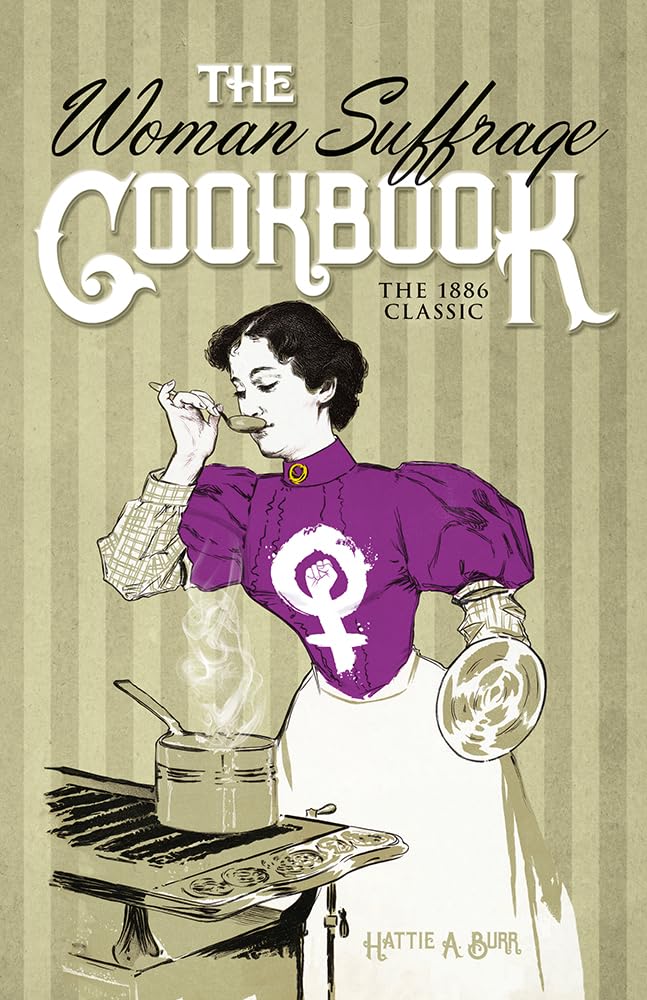
Boil a heaping quart of loose hops (or if they are pressed, 2 ounces) in one gallon of water, strain it, when it is cold, put in a small handful of salt., and a half pound of sugar, then take a pound of flour and rub it smooth with some of the liquor, after which make it thin with more of the same liquor and mix all together, let this stand for 24 hours; then boil and mash three pounds of potatoes and add to it, let it stand 24 hours more; then put it in a bottle or tight vessel, and it is ready for use. Shake the bottle before using. It should be kept in a warm place while it is making, and in a cool place afterward.

Beth says we should call it ‘Rise to the Challenge’ yeast – in honor of the brave women in our books. You could use it to prepare cinnamon rolls or any other recipe that calls for yeast. I hope you let me know if you try it. It’s quite labor-intensive, as were most chores that women had to do in those days. There were many similar cookbooks that were published like this one, as a fundraiser for the suffrage movement…and they also served as a mode of communication for women back in the day before the internet and cell phones. I’m excited to read this one from cover to cover to check out the conversations.

Beth and I hope you all enjoyed this conversation between creators and characters. And we hope you’ll do all the things that help books become a success:
Buy them:
HIDING IN PLAIN SIGHT:

ONE GIRL’S VOICE:
Review them

Hiding in Plain Sight:

One Girl’s Voice:
Put them on your Goodreads WANT TO READ SHELF

Hiding in Plain Sight:

One Girl’s Voice:
Tell friends about them
Ask your local library to purchase copies

Beth’s book is already proudly sitting on shelves in your local indie bookstores. And mine will be arriving on February 11th – which is my ACTUAL birthday…how cool is that! Plus there are several book events coming up in March for me:
March 8 at 1:30pm-3pm: G. Willikers Books and Toys in Portsmouth, NH
March 29 at 11am-11:45am – The Silver Unicorn Bookstore in Acton MA

We invite you all to celebrate these wonderful books with us! If you are a teacher or librarian looking for an engaging author visit, please reach out. If you are a writer of narrative nonfiction, each of these books could serve as a mentor text. And if you are a parent of young readers, we hope you’ll share these role models in history with your kids.

Have a great weekend, everyone! And don’t forget to leave a comment here and on the post on Beth’s blog for a chance to WIN this cool book pairing!

ALEXANDRIA LAFAYE: Will Write for Cookies Plus GIVEAWAY

WILL WRITE FOR COOKIES

Plate of Cookies

INSIGHT – INFORMATION – INSPIRATION

FOR WRITERS

TODAY’S GUEST

headshot

ALEXANDRIA LAFAYE

When I joined Storm Literary Agency in 2015, not only did I get an awesome agent, but I also got a wonderful support system – all of the other clients – authors and illustrators. And one of the most active is today’s guest, Alexandria LaFaye. I grabbed a bit about her from her wonderful website.

ALEXANDRIA: Family is at the core of who I am which why families are at the center of most of my books whether it is families torn apart by injury (Worth) or absence (The Year of the Sawdust Man) or drawn together by tragedy (Water Steps and The Keening) or seeking each other (Walking Home to Rosie Lee). 

When I’m not joining my family for a board game, a jaunt to the park, or a trip to the zoo, I’m usually writing or reading, but I’m also an associate professor of English at Greenville College in the academic year and a visiting associate professor in the Hollins University Summer Graduate Program in Children’s and Young Adult Literature.

Follow Me Cover


ME: Welcome, Alexandria! Thank you so much for stopping by to chat with us and share your writing journey. and a little bit about yourself. Can you name a book that changed the way you saw the world?

ALEXANDRIA: I seek out books that show me things about the world I did not previous know like Michelson’s The Alphabet of Angels revealing that Hebrew had nearly died out as a spoken language until one man, Ben Yehuda, popularized it in Isreal in the 19th century. Hesse’s Aluetian Sparrow opened my eyes to the horrific treatment of the Aleut people of the Aluetian Islands during World War II.  I love books that expand my world one page at a time and that’s the type of book I was trying to write  with FOLLOW ME DOWN TO NICODEMUS TOWN.  By sharing a story of the Exodusters who built Nicodemus, KS and homesteaded in Oklahoma, Nebraska, and other parts of Kansas, I hoped to celebrate their achievements and spread the world about these historical heroes who are often overlooked in historical accounts of homesteading the US.

ME: What do you know now that you wish you knew when you first started writing?

ALEXANDRIA: How to write in way that is true to my own voice and experience, but that reaches out to readers of all walks of life and speaks to them in a way that makes them feel understood, inspired them, or lead to see things in a new way.  I’ve also always wanted this literary connection to lead readers to spread the news about my books to other potential readers.   I’m still trying to figure out this formula for great writing.

book vobrt

ME: Where do you like to write – inside, outside, special room, laptop, pen and paper?

ALEXANDRIA: The answer depends on the genre.  I prefer to write poetry and short stories with a pen and paper and usually in one of my writing journals and I can do that pretty much anywhere, but I often do it at my writing desk at home or in my office at work (I’m an associate professor at Greenville University).  I have to admit that when I write “outside” of these spaces, I’m usually too drawn into observing things around me to focus on writing.

ME: When do you write – early morning, late in the day, middle of the night, on schedule, as the muse strikes?

ALEXANDRIA: I’ve always been quite bad at doing things routinely, so I write as the muse strikes most of the time.  I often get a burning idea I need to write down and that often leads to more ideas which means I put other things on hold until I’ve followed this vein of creativity to its conclusion, then I go back to my daily activities. Other times, I leave things at home in my husband’s capable hands and spend a weekend in a cabin on a nearby lake and write, write, write.  That often involves a lot of revising, revising, revising.  But it’s a great time to fully emerse myself in my work.

with kids at bookstore or library

ME: Why do you write for children?

ALEXANDRIA: I write the stories that come to me.  Since I so enjoy children—understanding them, raising them, helping them, I believe I’m drawn to the stories that interest them. I also have an alterior motive.  If the books children read are inclusive, inspiring, historically and culturally accurate, and open the world up to young readers, then they will grow up with a kinder, more accurate, and layered view of the world.  The things we read as children shape our views of the world and prepare us for all the learning and experience that follows, so I guess, I’m hoping to help kids build expansive and supportive views of the world through the stories that I write.

ME: What is your writing advice?

ALEXANDRIA: Write to become the best writer you’re meant to become—don’t try to measure up to some external ideal of writing and writers—find your own voice and speak in it through your writing.  You’re a uniquely made person who has a singular life experience and point of view to share with the world, so embrace that and become the best writer you can as you learn to speak in your own voice.

ME: Is there anything you’d change about your writing life right now?

ALEXANDRIA: Yes, I’d love to do more school visits!  As a greater admirer of kids, I love to create school presentations that are entertaining, educational, and uplifting.  As a geek who was bullied in school, I can inspire the kids who struggle with self-confidence and engage with the kids who are following the crowd and need to be encouraged to become the “kind kid” who says “no” to bullying.  I’m also a professor who teaches preservice teachers how to integrate literature into the classroom, so I’m uniquely skilled to help kids become life-long learners and process writers. My professional credentials also make it possible for me to do professional development programs for teachers, administrators, and librarians.  And I love the school visits where I learn as much as I mentor.  If anyone would be interested in hosting me for a school visit, they can contact me at Alexandria.lafaye@greenville.edu

with class reading

ME: WOW…thank you so much, Alexandria. I love your authenticity…it shines right through all of your answers. I know we all appreciate you stopping by…and I know you are not done yet. You’ve got a recipe to share with us that is kind of special to your new picture book, right?

ALEXANDRIA:  Yes, this is a recipe Dede’s mama would have known by heart – hoecakes:

 Hoecake

The legend is that African Americans who had been enslaved “baked hoecakes on a hoe in the fields for their midday meal.  Elizabeth Lea, a cookbook author from Montgomery County in the mid-19th century has several corn cake recipes, one of which she called a “Virginia hoe cake.”  Indeed, hoecake was the hardtack, the matzah, of enslaved Blacks for several centuries.  Some Maryland hoecakes were made over a griddle in the hearth (also known as a hoe), others were baked on a “bannock” board placed facing the fire.”  Although an African-American staple it was also a food served in many kitchens across the frontier in the 1800s.

1 cup of white stone-ground cornmeal

3/4 cup of boiling hot water

½ teaspoon of salt

¼ cup of lard, vegetable oil or shortening

Mix the cornmeal and salt in a bowl.  Add the boiling water, stir constantly and mix it well and allow the mixture to sit for about ten minutes.  Melt the frying fat in the skillet and get it hot, but do not allow it to reach smoking. Two tablespoons of batter can be scooped up to make a hoecake.  Form it into a small thin pancake and add to the pan.  Fry on each side 2-3 minutes until firm and lightly brown.  Set on paper towels to drain and serve immediately once all the hoecakes have been cooked.

Recipe and background by  Michael W. Twitty in “A Few Antebellum African American Recipes” published in Afroculinaria (2011)

https://afroculinaria.com/2011/11/10/a-few-antebellum-african-american-recipes/

My dear friends, please join me in thanking Alexandria for her wonderful insights and the fantastic hoecake recipe…plus, she is generously donating a signed copy of her wonderful picture book, Follow Me Down to Nicodemus Town, so make sure you leave a comment to be entered into the giveaway.

I hope you all have a wonderful weekend and I’ll see you back here next week for another review (and a giveaway!) of a fabulous new picture book, HONEYSMOKE, by Monique Fields. I’ll be cloistered away, working on the redlines for the big compilation book – 9 stories means 9 times as many edits to go through, right? So if I am a bit MIA on social media this weekend, you’ll know why.

Christy Mihaly: Will Write for Cookies PLUS Picture Book Critique Giveaway

WILL WRITE FOR COOKIES

Plate of Cookies

INSIGHT – INFORMATION – INSPIRATION

FOR WRITERS

TODAY’S GUEST


PHOTO_ChristyMihaly

CHRISTY MIHALY

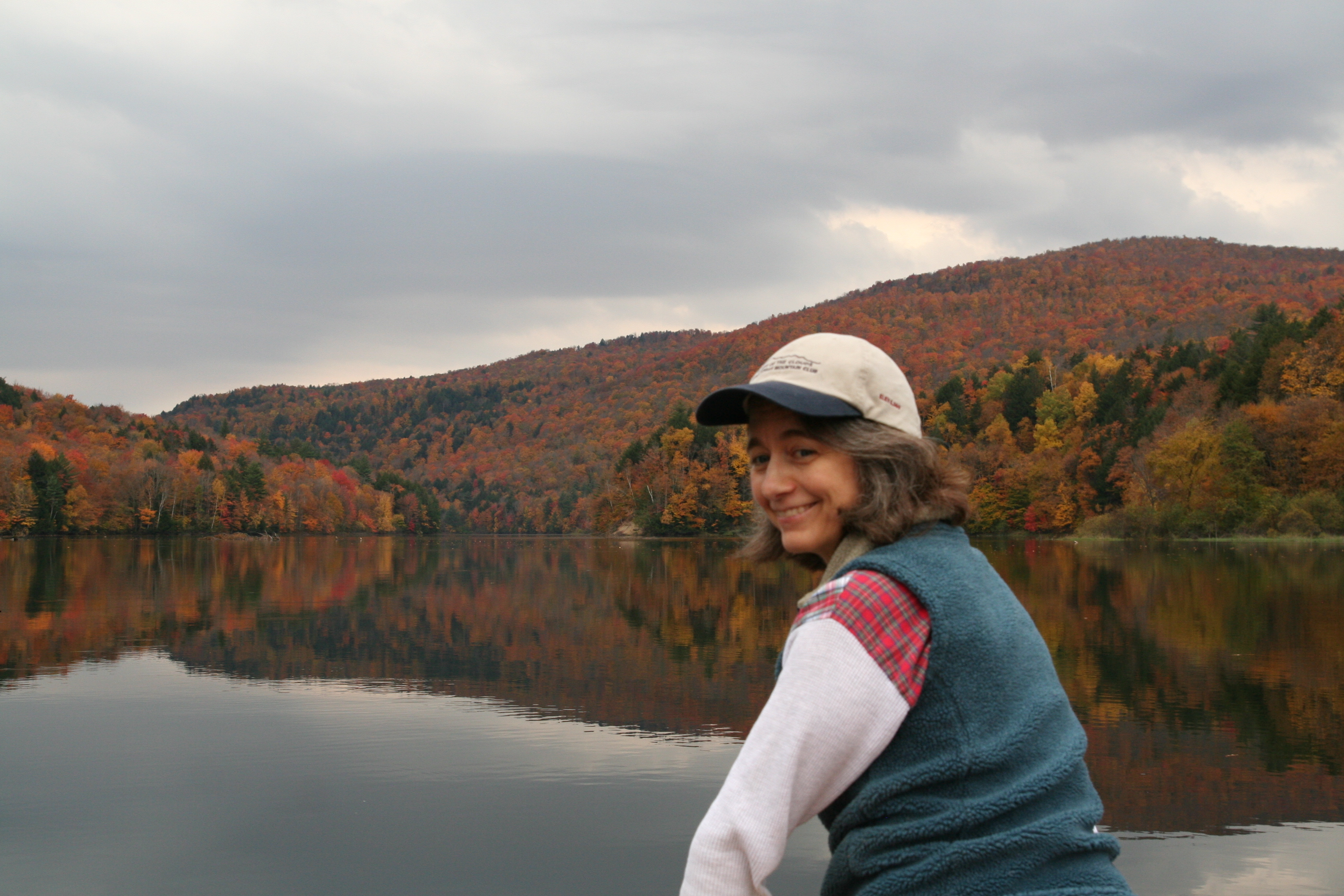
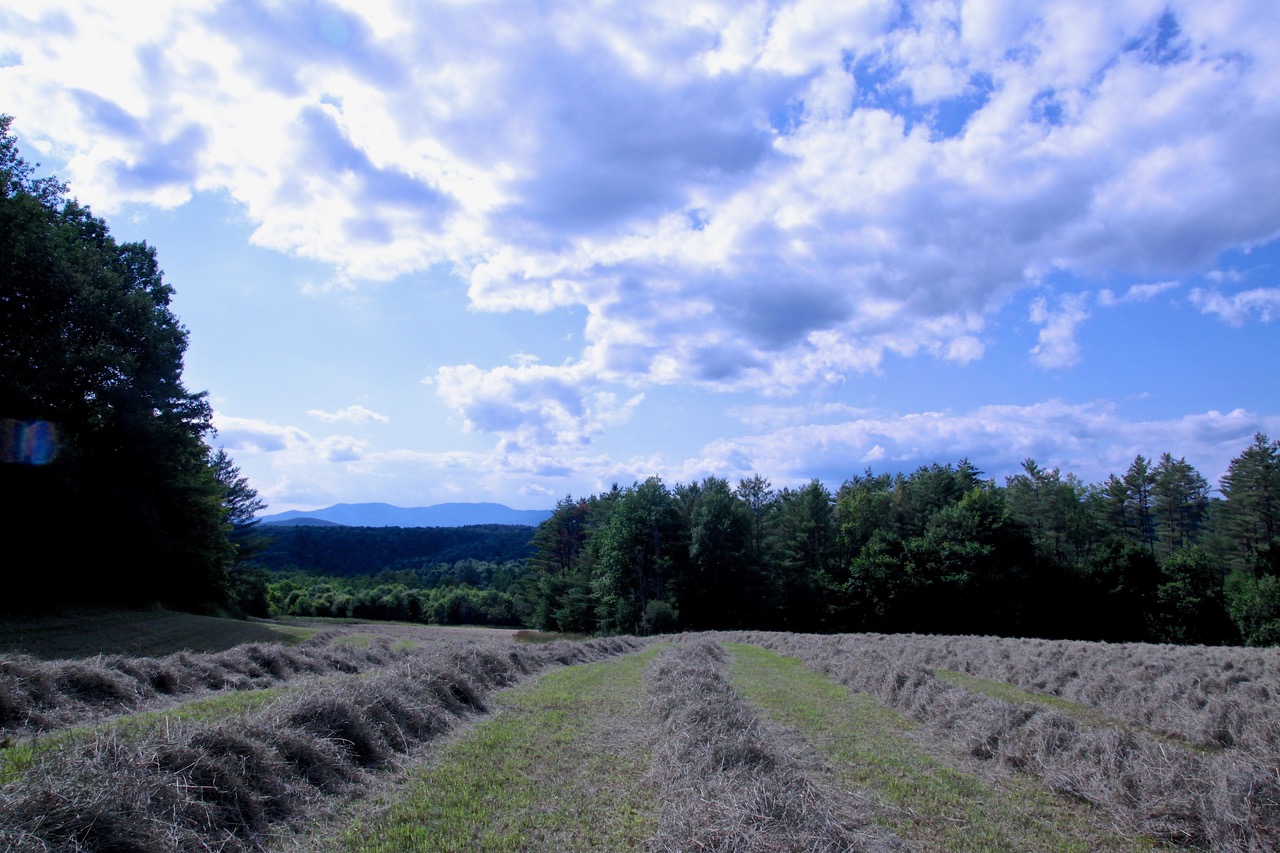
I usually reduce the size of the headshot for my Will Write for Cookies guests…but I just couldn’t take away one inch of this glorious scene. It looks so much like a photo I have of my grandson and me at a lake in New Hampshire which figures because Christy is right next door in Vermont. 

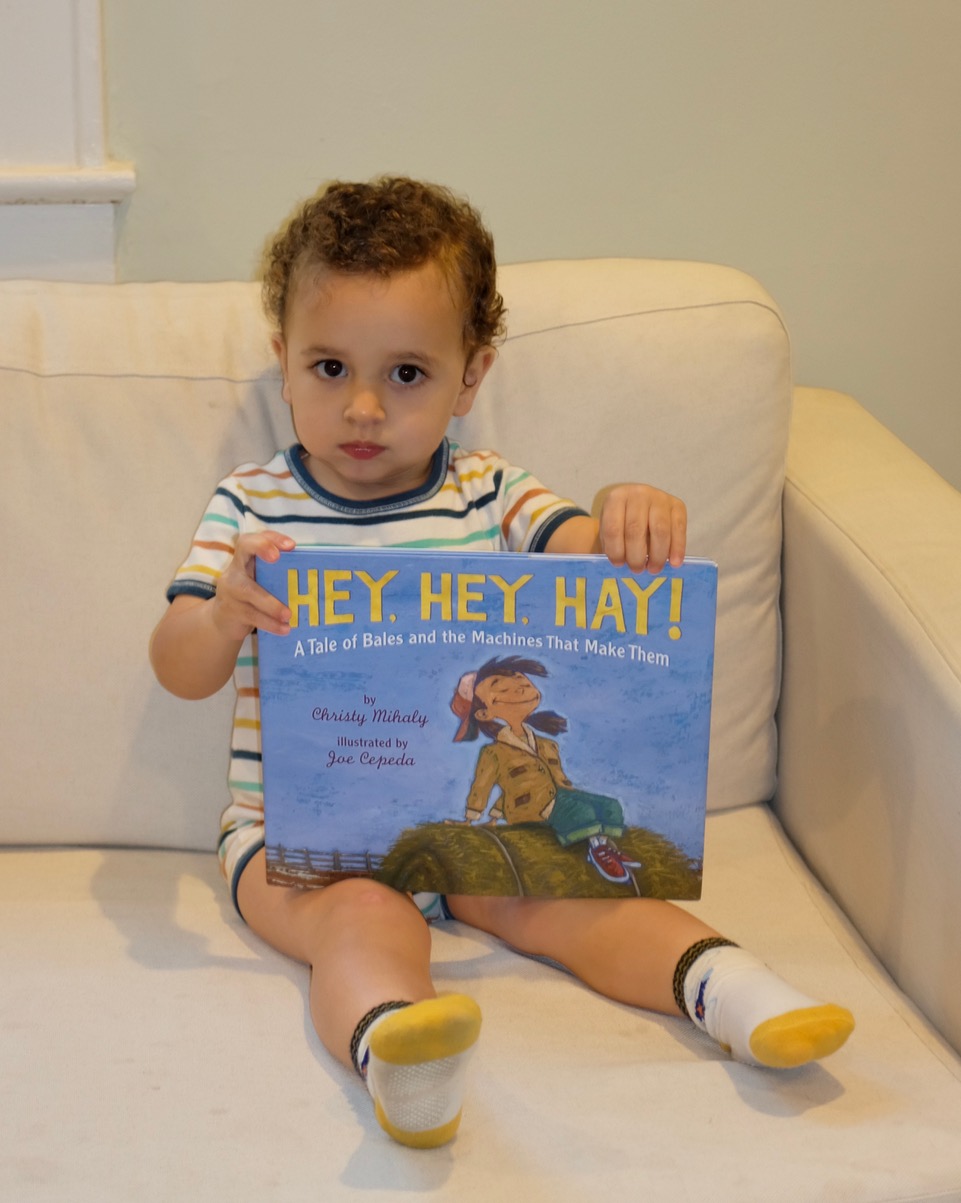
Christy Mihaly lives and writes in Vermont, overlooking the hayfield that inspired her picture book, Hey, Hey, Hay! She has published a half-dozen books in the educational market, on topics from California’s redwood forest to cosplay to elephants and moose. She writes for children’s magazines about science, nature, and history. Her poetry has appeared in publications including Imperfect: Poems about Mistakes, an Anthology for Middle Schoolers; Highlights; and the SCBWI Bulletin. Christy also co-wrote a nonfiction book for YA readers, Diet for a Changing Climate: Food for Thought, to be published October 1 by Lerner/TFCB. Christy loves walking in the woods and playing the cello (though not simultaneously). She is represented by Erzsi Deak, of Hen&ink Literary Studio.

You can connect with Christy on any of these platforms:

Blogging at GROG

Instagram: @christymihaly

Twitter: @CMwriter4kids

Facebook Author page

But right now, we are going to connect with Christy right here. 

Welcome to Picture Books Help Kids Soar, Christy! We are so happy to have you hear!

ME: Who were your favorite authors/illustrators when you were a child?

CHRISTY: As a kid, I read all the time, but for the most part I didn’t think much about the people writing the books. I loved classics like The Borrowers and The Secret Garden. I also read and re-read Harriet the Spy and A Wrinkle in Time. And I guess the exception to my ignorance about authors was Beverly Cleary – if I saw her name on a book, I picked it up!

kid with book

ME: What do you know now that you wish you knew when you first started writing?

CHRISTY: I wish I had appreciated the importance of meeting others who are doing this work. In the beginning, I didn’t understand that you’re not fully a children’s writer until you engage with the community of writers and illustrators. Even more than publishing my first magazine pieces, what made me feel like a real writer was meeting with others who were also writing for kids—and joining a critique group!

WOW July 2015

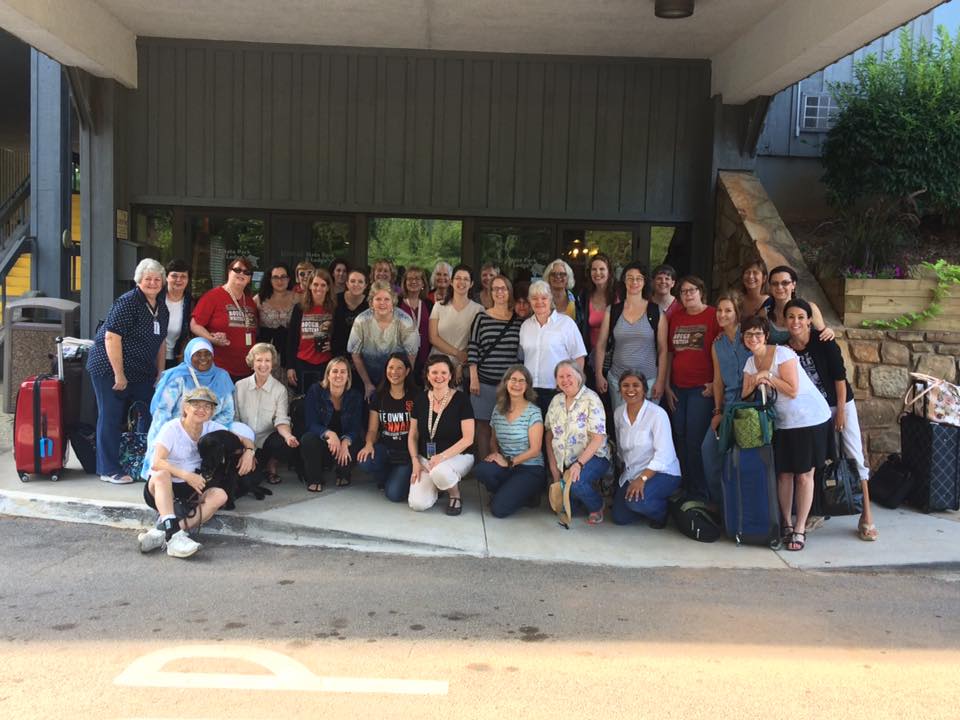
Conferences and writing retreats are a great place to connect with others in your field. This is from the 2015 WOW retreat in Helen, Georgia. I see a bunch of familiar faces there. (Vivian left early that morning with Ann Magee and a couple of others because they had an early plane to catch out of Atlanta so they missed the photo).

ME: Where do you like to write – inside, outside, special room, laptop, pen and paper?

CHRISTY: Everywhere! I write on scraps of paper in the car, on my phone in the middle of the night, and in a notebook I keep in my purse. I write in my head when those words come in the middle of a walk in the woods. Still, most of my writing is on my trusty laptop, which I move around a lot – kitchen, porch, desk, seeking different views of trees and fields … As a writer, I am peripatetic.

Note from Vivian: I had to look that word up…peripatetic: traveling from place to place, especially working or based in various places for relatively short periods.

beautiful rows

ME: When do you write – early morning, late in the day, middle of the night, on schedule, as the muse strikes?

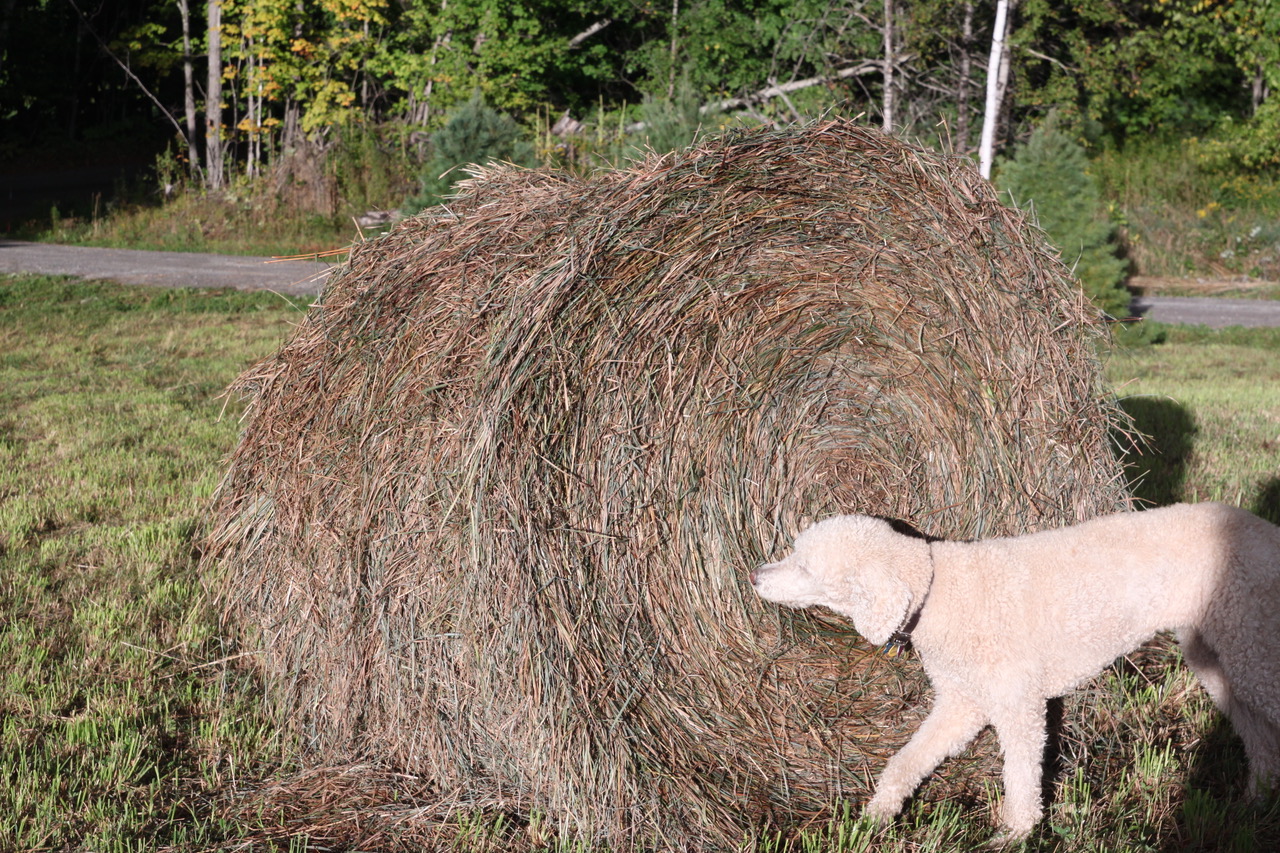
CHRISTY: I’m lucky right now to be writing for a living. So – I write all the time. I spend more time writing, in fact, than some people around me might prefer … [What, we’re out of dog food again?]

dog bale

Sometimes I sit down first thing in the morning and write a poem. Other times, I’m facing a book deadline and writing all day and at 4:00 I realize I forgot lunch. I do some of my best work after dinner and into the wee hours, but that can’t happen too often or I get sleep-deprived and cranky.

ME: Why do you write for children?

CHRISTY: Because I keep having new ideas that I want to write about and I love doing it! And because I believe that our best hope for the future is raising a generation of people who love to read. My wish is that by giving kids books that are engaging and fun, we can spark their love of learning, and also foster the critical thinking skills that this generation is going to need.

HeyHay_intr_tractor

ME: Also, if you have any thoughts or advice for aspiring writers, please share. 

CHRISTY: Vivian, you didn’t ask me about the many rejections I’ve received. I do love sharing about my published pieces – but the manuscripts that don’t find (or haven’t yet found) a home are equally important. Each one that gets a “pass” from an editor can help in my writing journey, because I learn from it: What works and what doesn’t work? What grabs an editor’s attention and what leaves her cold? How might I better address a subject I really want to tackle? How can I make this story sparkle? Or … which editor might like this story better? Rejections are never easy, but they’re inevitable, and they feel less awful if I remember that each one is a step forward.

Thanks, again, Vivian, for all you do to support children’s books and writers and illustrators. This has been fun.

ME: Christy, I love that you talked about rejections…and your attitude towards them is spot on! And it’s my honor and pleasure to feature authors and illustrators and to review all of their wonderful books! And hosting the #50PreciousWords Writing Challenge is something I am truly passionate about…providing a safe and encouraging platform for fellow writers.

I know you aren’t finished here, Christy…there’s a VERY special recipe you’ve got in store for us!

CHRISTY: Yes…for a summer change of pace, how about a little switchel?

Switchel—or ginger water—is the traditional haymaker’s drink. In one of her books, Laura Ingalls Wilder refers to Ma’s zesty ginger-water, declaring that after a blazing hot summer day working in the fields, nothing could quench the thirst quite so well. Or, as my narrator reports with delight in Hey, Hey, Hay!,

“Mom calls out, ‘Let’s take a break … for switchel and a piece of cake!’”

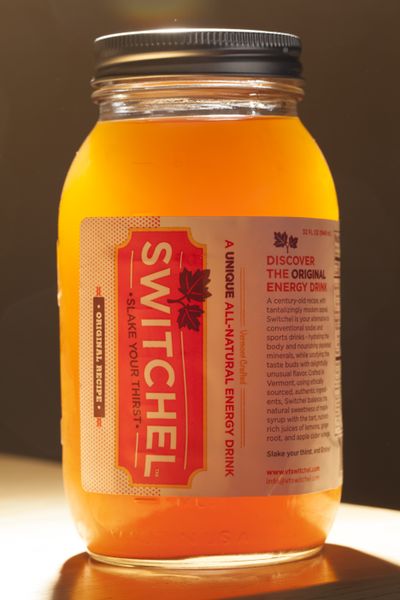
There are many regional variations, and you can make your own adjustments to taste. This simplified recipe (included in the back of HAY) is based on the Vermont version of the drink. And yes, they’re bottling this stuff now – but why not make your own?

quart-jar-switchelPhoto courtesy: The Vermont Switchel  Company

Make Your Own Switchel

2 tablespoons apple cider vinegar

4 tablespoons pure maple syrup

1 teaspoon fresh grated ginger

4 cups water (plain or sparkling)

Combine the ingredients in a large jar with a lid, and shake. Pour the mixture over ice cubes to serve right away, or chill it in the refrigerator for a few hours. Stir well before pouring it into your glass. Makes about a quart.

Variations:

You can add mint leaves, lemon, or cucumber – why not experiment? Try some switchel with ginger cookies!

Thank you so much, Christy! This has been so much fun. And I want to remind everyone that Christy has generously offered to do a picture book manuscript critique…so make sure you leave a comment to be entered in the giveaway.

I hope you all have a wonderful weekend. Stay safe and be happy!