Hello dear friends! January is racing to a close and I wanted to award the THREE giveaways I offered in my last post.
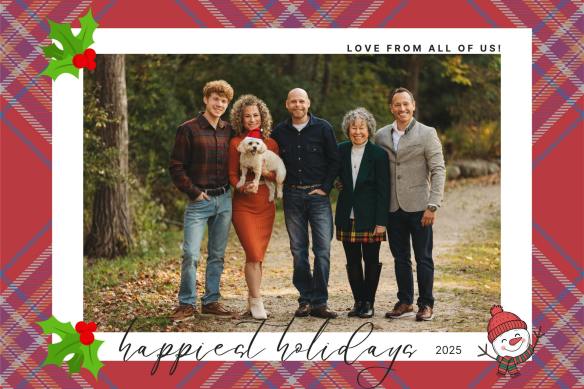
Question #1: When did I purchase the outfit I wore for our Fall 2025 family photo? This was obviously a really challenging question – partly because I didn’t provide the answer in the post. Many of you guessed the 80s or 90s when there was a resurgence of pleated mini skirts. And some of you guessed that I bought it when I was in college, which would have been 1963-1967. I actually purchased it in 1968 when my husband and I, on summer vacation after our first year of teaching, took a trip to Gananoque, Ontario and the Thousand Islands. The skirt has weathered exceedingly well, I think…and me, too, I hope.
Since no one guessed the actual year, I put names of folks who came pretty close into a hat and picked out:
SUSAN SCHIPPER – Congratulations, Sue…I’ll email you and we can see what manuscript you’d like to send me for feedback.
Question #2: When was the first #50PreciousWords, how many entries did we get, and who won? The answers for this question were mentioned in the post and lots of folks got that answer correct…so I had to put those names in a hat and picked two winners of the 30-minute Ask Me Anything chat who are…
ROSE CAPPELLINI – Congratulations, Rose. I’ll email you and we can set up a time to chat.
ROBIN CURRIE – Congratulations, Robin…I’ll email you and we can set up a time to chat.
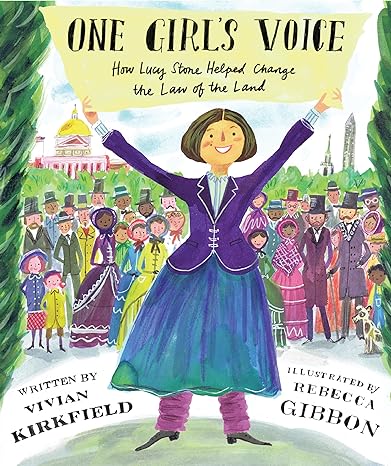
Question #3: Who is the editor and who is the illustrator for ONE GIRL’S VOICE? The answers for this question were also found in the post – and LOTS and LOTS of folks got this one right…I shuffled up their names to find the winner of a signed copy of one of my books and picked out…TWO WINNERS…
VICKI HAMMOND – Congratulations, Vicki…I’ll email you to get your mailing address and to see if you want me to personalize it. By the way…our wonderful #50PreciousWords logo was created by Vicki back in 2018, I think…huge thanks, Vicki!
LINDA HOFKE – Congratulations, Linda…I’ll email you to see if you want me to personalize it to your niece.
That’s it for the giveaway…but I also wanted to share that we’ve got SO MANY INCREDIBLE PRIZES lined up for #50PreciousWords this year! Please let writer friends know about the contest…the Heads-Up-The-Contest-Is-Coming-Soon post will go live on February 7th…so please stay tuned!
And please stay tuned for a COVER REVEAL on February 4th for my upcoming book, PIPPA’S HANUKKAH HUNT (illustrated by Jill Weber & published by Holiday House) which launches September 29.
And there’s more…a Triple Book Birthday post on February 2 for THREE brand-new Board Books from three dear friends.
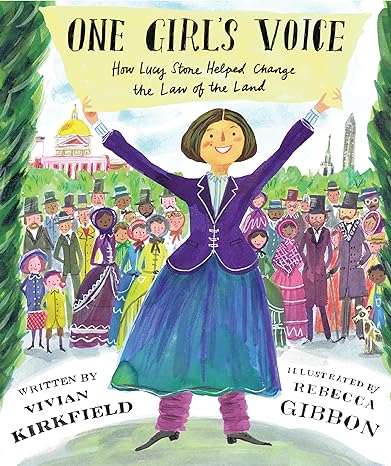
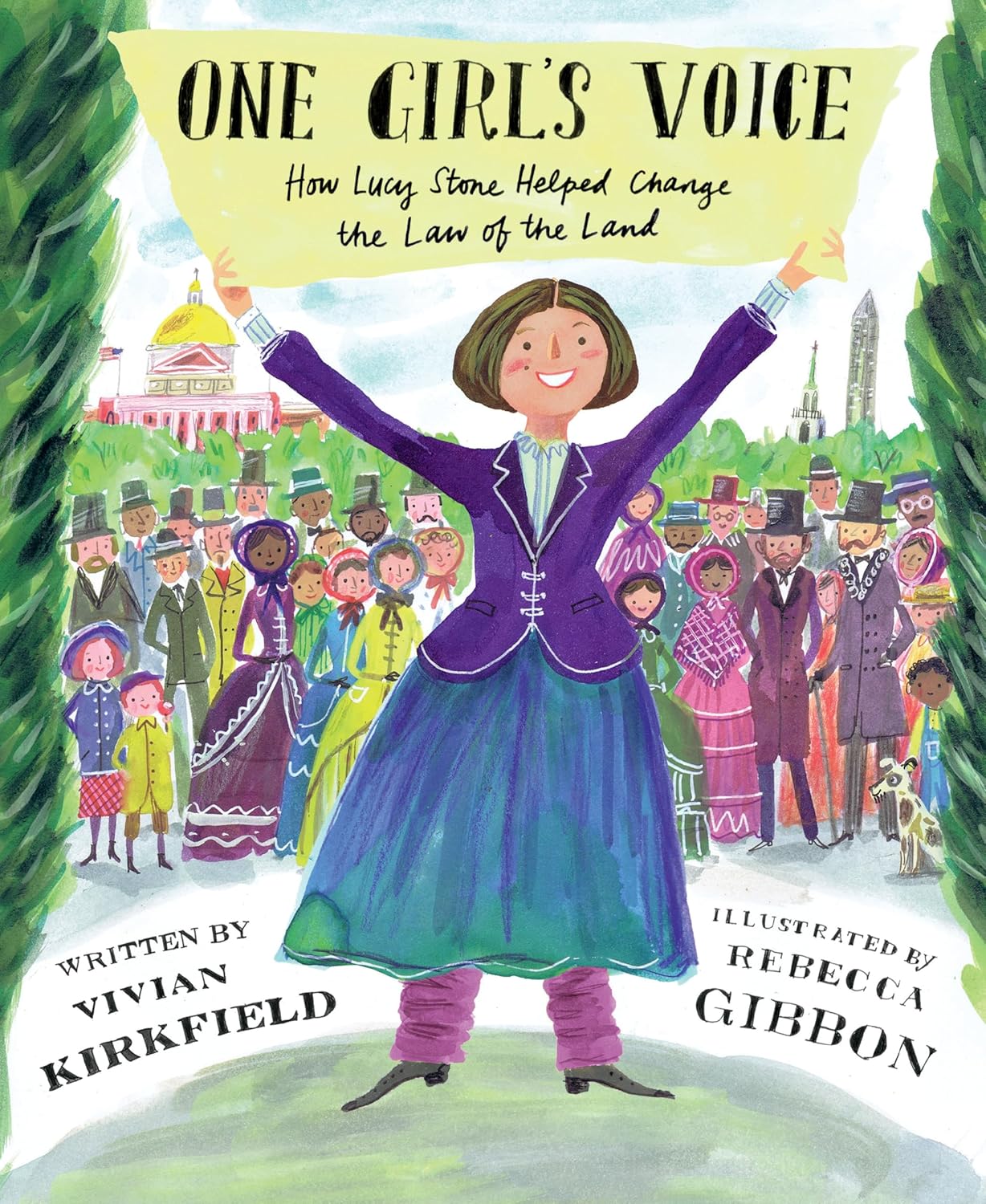
And don’t leave yet…I’ll be finding out the results of the SCBWI Golden Kite Awards on February 6th and will include that info in the Heads-Up contest post. I’m honored that ONE GIRL’S VOICE: HOW LUCY STONE HELPED CHANGE THE LAW OF THE LAND, illustrated by Rebecca Gibbon and published by Calkins Creek/Astra, is a FINALIST! And it has won other accolades as well during last year. But one thing it has not received are…
REVIEWS! Yes, sadly, even though this amazing book has been out since last February, it only has 35 Amazon reviews. That’s right…35. Even though I have almost 2000 blog followers and almost 4000 Facebook friends plus I host a contest that attracted almost 600 submissions last year. Believe me…I totally understand how busy our lives can get. But if you can find a few minutes and you love the book, I’d really appreciate your help. The review doesn’t have to be long-winded…just a sentence or two. Here is the link for the Amazon page: https://www.amazon.com/One-Girls-Voice-Helped-Change/dp/1662680457/?
And as always, thank you for spending your precious time with us. Your support means the world to me.
Happy Perfect Picture Book Friday, dear friends! Today’s author is a longtime kidlit friend of mine…we both debuted in 2019 and have been friends ever since! She has graciously offered a giveaway for a Picture Book Critique (nonrhyming under 600 words). So, please make sure you leave a comment.
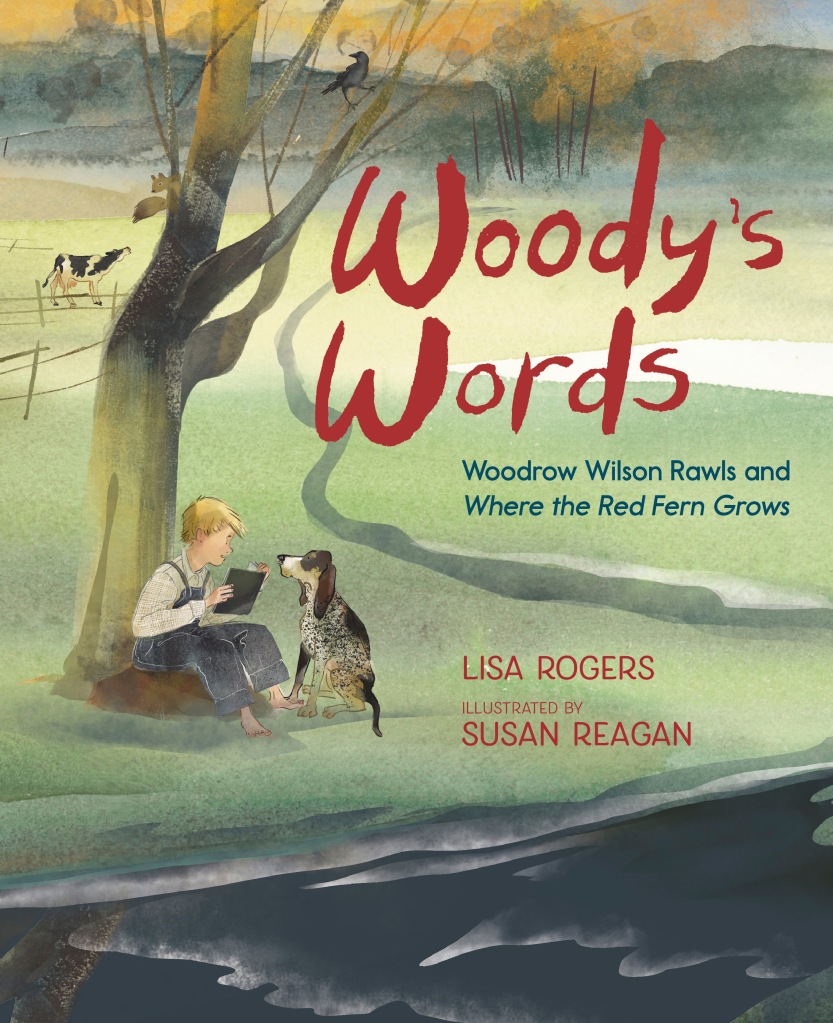
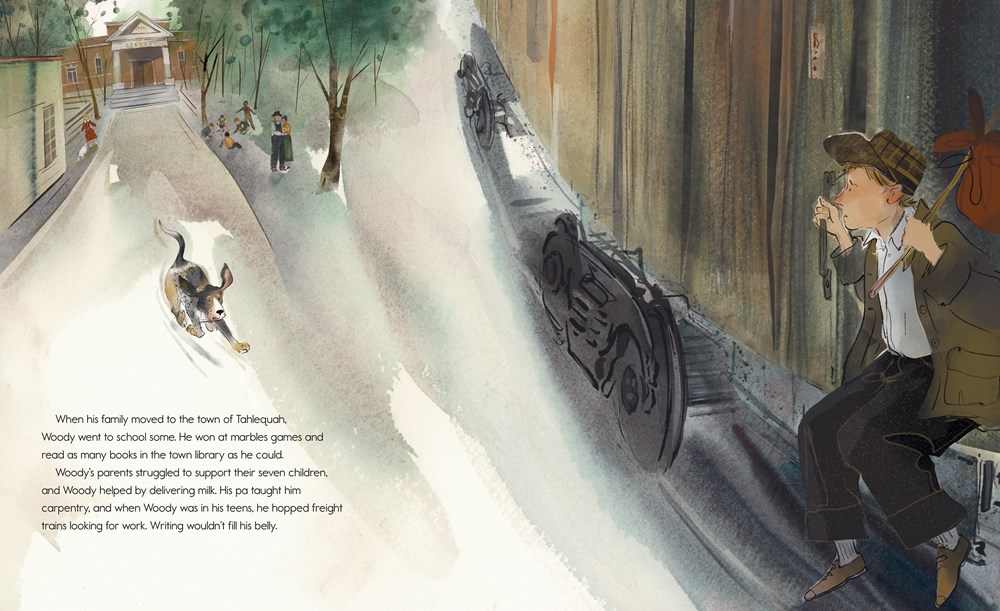
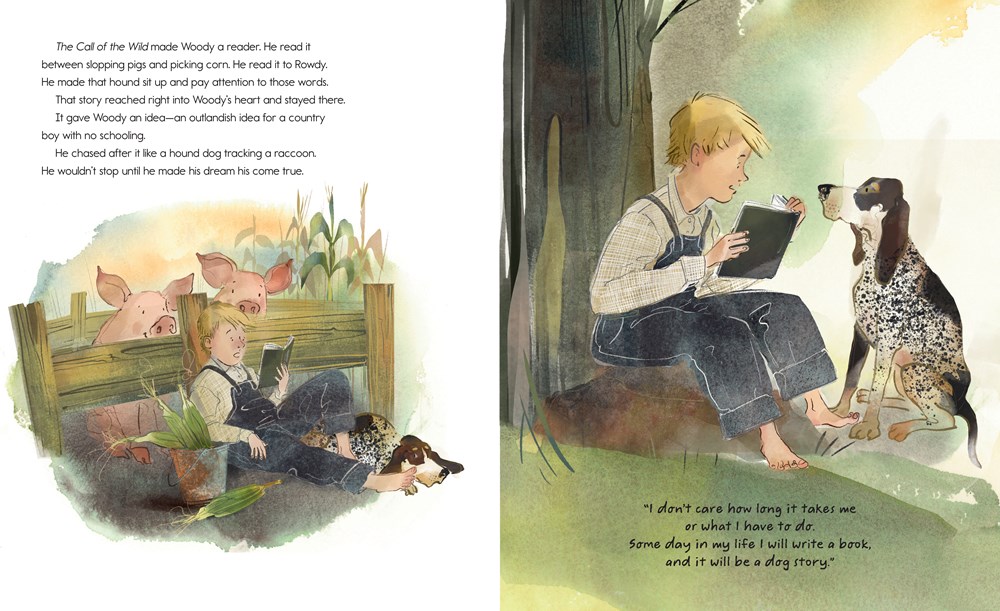
WOODY’S WORDS: WOODROW WILSON RAWLS AND WHERE THE RED FERN GROWS
Written by Lisa Rogers
Illustrated by Susan Reagan
Published by Calkins Creek/Astra(September 9, 2025)
Ages: 7-10
Themes: Perseverance, accepting help, the power of words
From Astra: The life of Woodrow “Woody” Wilson Rawls, the author of the children’s classic Where the Red Fern Grows, is revealed in this nonfiction picture book for ages 7 – 10 that celebrates persistence, creativity, and chasing dreams.
When Woody Rawls read The Call of the Wild, a classic novel about a stolen mistreated dog and a kindly man, his life was forever changed. Maybe it was because he loved his own dog, or maybe it was because the story reached deep into his heart and stayed there. From then on, Woody was determined to learn to write and become a teller of tales.
Woody didn’t care that he couldn’t afford pen and paper. He would use a stick in the sand if he had to. Woody trusted his heart and used his imagination to create his stories, which he shared with Rowdy, his trusty hound. Woody never stopped writing even when it was hard to and when life got in the way. He went on to write several novels and publish two books for children– including the timeless classic Where the Red Fern Grows. This story of hard work creatively presented by author Lisa Rogers and illustrator Susan Reagan will resonate with young readers and adults alike.
Why I Love This Book 1. I love books about authors of classic books!
2. I love books that take me to a different place and time! 3. I love books filled with heart – Wilson Rawls’ struggle to realize his dream of becoming an author is relatable and makes his achievement one to celebrate!
ME:I was chatting with Lisa and mentioned that we all love to hear about the path to publication for our Perfect Picture Book Friday books…and she graciously stopped by. Welcome, Lisa! Can you share a bit about why you wrote this story and how it came about?
Lisa: Thanks for sharing WOODY’S WORDS today, Vivian! I have a special story about the impetus for writing this book.
During my career as an elementary library teacher, I read thousands of books. But I had never read Where the Red Fern Grows, the classic story of a boy and his hounds, until one of my students told me how much it moved him.
That afternoon, I brought home the book and could not put it down. The story held my attention from its start to its heart-rending finish. But I gasped aloud as I read the note about its author: “Though he didn’t have access to real books until he was of high-school age…”
I had to know more. I instantly was captivated as I listened to Rawls telling his life story—a priceless treasure, made available online, thanks to Woody’s wife, Sophie Rawls, and read-aloud champion Jim Trelease. I was drawn to Rawls’ world just as I was drawn into Where the Red Fern Grows.
There was more to Woody’s story, though, which I discovered during extensive research, including interviews with family members. That research made Rawls’ achievement even more impressive than I could have imagined.
What struck me, though, was not just his achievement. It was that he gave up—completely abandoned his dream–until he found encouragement from Sophie.
That struggle resonated with me. Growing up, I shared Woody’s dream of becoming a published author. I had advantages that Woody did not have, but I didn’t try writing until I was in my second career as a librarian. I almost gave up, but our wonderful kidlit writing community encouraged me.
I think Woody’s story is a wonderful example for anyone — child or adult — with a dream. Almost no one reaches a goal without some kind of help. If Woody hadn’t trusted his wife to help and encourage him, we would not have Where the Red Fern grows to cherish and read over and over again. Look for his acknowledgement of that help in the dedication to Where the Red Fern Grows.
Woody’s Words is beautifully and tenderly illustrated by Susan Reagan. Susan’s art is gorgeous and so evocative!!
I’m sharing an activity for practicing writing like Woody did. It’s from my Woody’s Words Activity Kit, which anyone can obtain by signing up for my newsletter at lisarogerswrites.com.
ME: WOW…thank you so much, Lisa. I loved hearing your path to publication for this book. And thank you for providing the writing activity! What could be better than encouraging readers to write?
RELATED ACTIVITY:
Write like Wilson Rawls!
Woody learned to write as a child in the Ozarks of Oklahoma by noticing what was around him. Find a spot that is special to you or imagine that you are there. What do you see, hear, touch, taste, smell? Use as many senses as you can.
Write down one or two words for each sense. Then, choose more specific, “juicy” words to describe what you imagine. For example, you might “see” a bird flying. How does it move? Does it soar, swoop, circle, dive?
Then, use your beautiful words to write a poem or description of your special place.
Keep all of your work, even if you don’t think it’s your best. As Caldecott Honor-winning author-illustrator Brian Lies says, “Practice makes better.” Keep writing. Keep noticing. With practice, maybe you will become a cherished author, just like Wilson Rawls!
ME: I’m so excited to add this beautiful book to my special shelf of books by dear friends. And honestly, I am also going to get a copy of WHERE THE RED FERN GROWS…I’m sure I read it years ago…but it feels like a story that will become a faithful friend…there when you need inspiration or encouragement…the perfect book for these difficult days.
To order your OWN copy from Lisa’s local indie bookstore:
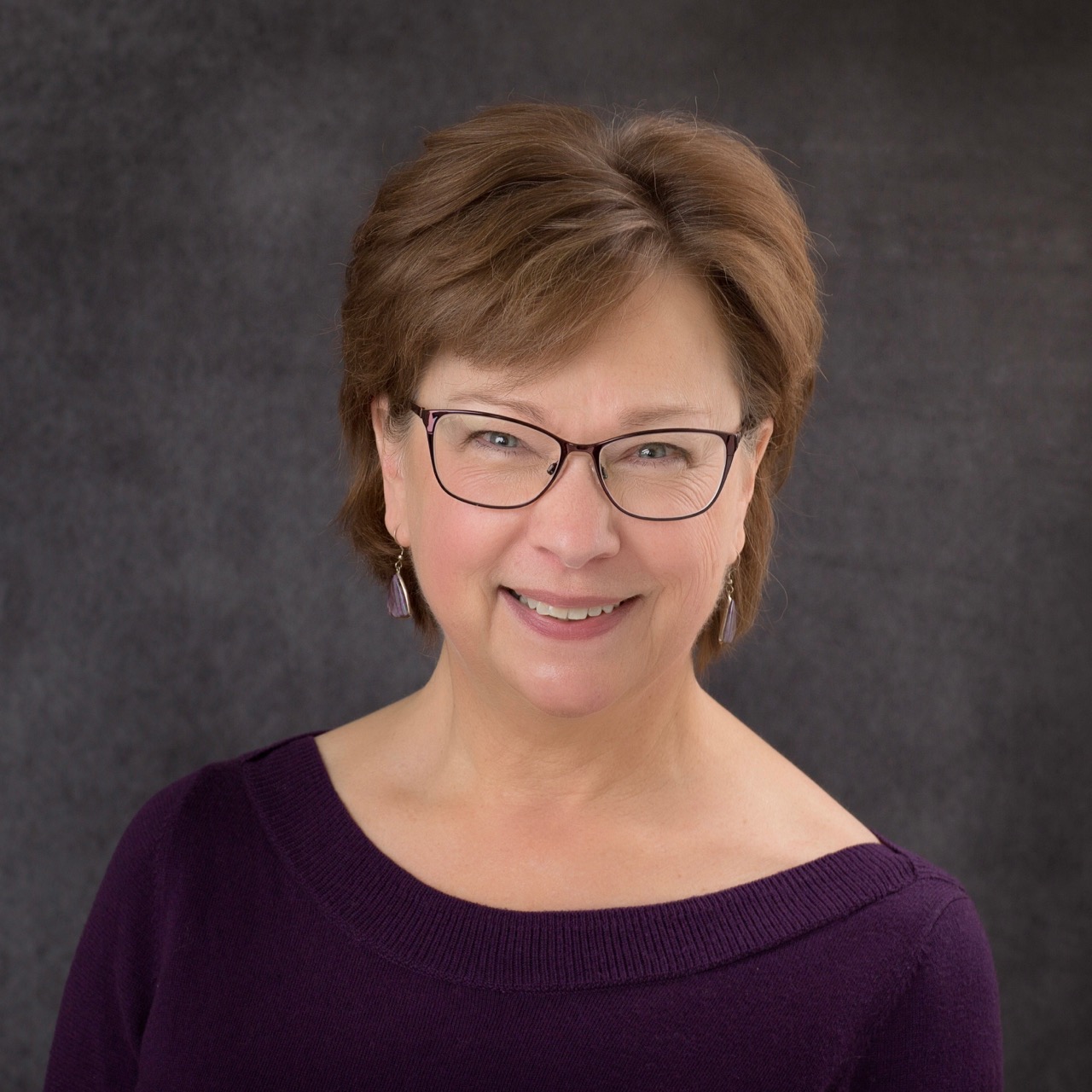
Lisa Rogers’ career as an elementary library teacher inspired her to write for children. She’s the award-winning author of Beautiful Noise: The Music of John Cage, 16 Words: William Carlos Williams and “The Red Wheelbarrow,”Joan Mitchell Paints a Symphony, and the brand-new Woody’s Words: Woodrow Wilson Rawls and Where the Red Fern Grows. A former news reporter and editor, Lisa received degrees in English Literature from William & Mary and Boston College and a master’s in Library Science from Southern Connecticut State University. In 2024, she served as a PB Rising Stars mentor. A four-time runner of the Boston Marathon, she daydreams, runs, paints, and has adventures with her hound near Boston.
Thank you, dear friends, for spending your precious time with us. Please don’t forget to leave a comment for a chance to WIN the fabulous giveaway: A Picture Book Critique (nonrhyming, under 600 words) from the lovely and talented Lisa. If you have read it, maybe you can share your thoughts about Where the Red Fern Grows…and if you haven’t, perhaps you can share the title of another childhood favorite that inspired and encouraged you.
FOR WRITERS, ILLUSTRATORS, PARENTS, TEACHERS, LIBRARIANS, AND BOOK LOVERS EVERYWHERE
TODAY’S GUESTS
BETH ANDERSONVIVIAN KIRKFIELD
Welcome, everyone! I hope you are all safe – the world is a sad and scary place sometimes, but it’s important to continue to connect with people and projects that give us joy, even in the midst of troubled times…maybe especially in the midst of troubled times. And when I discovered that one of my dearest kidlit friends and long-time CPs, Beth Anderson, had a new book launching right around the time my latest book was launching, we knew we needed to do something special.
Both books are nonfiction picture books. Both books focus on women who refused to accept the role society offered them. Instead, both women used their skills, courageously making their voices heard..and making a difference of global proportions.
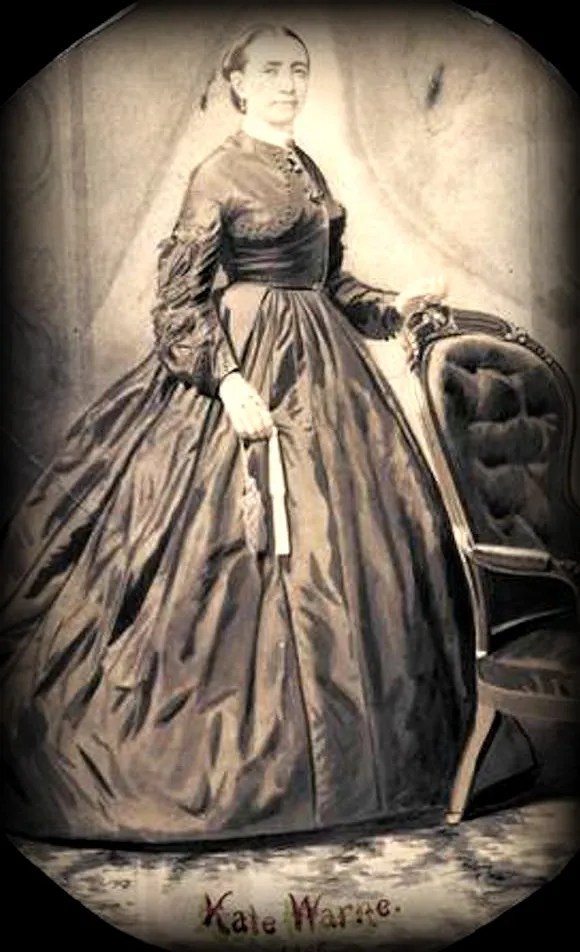
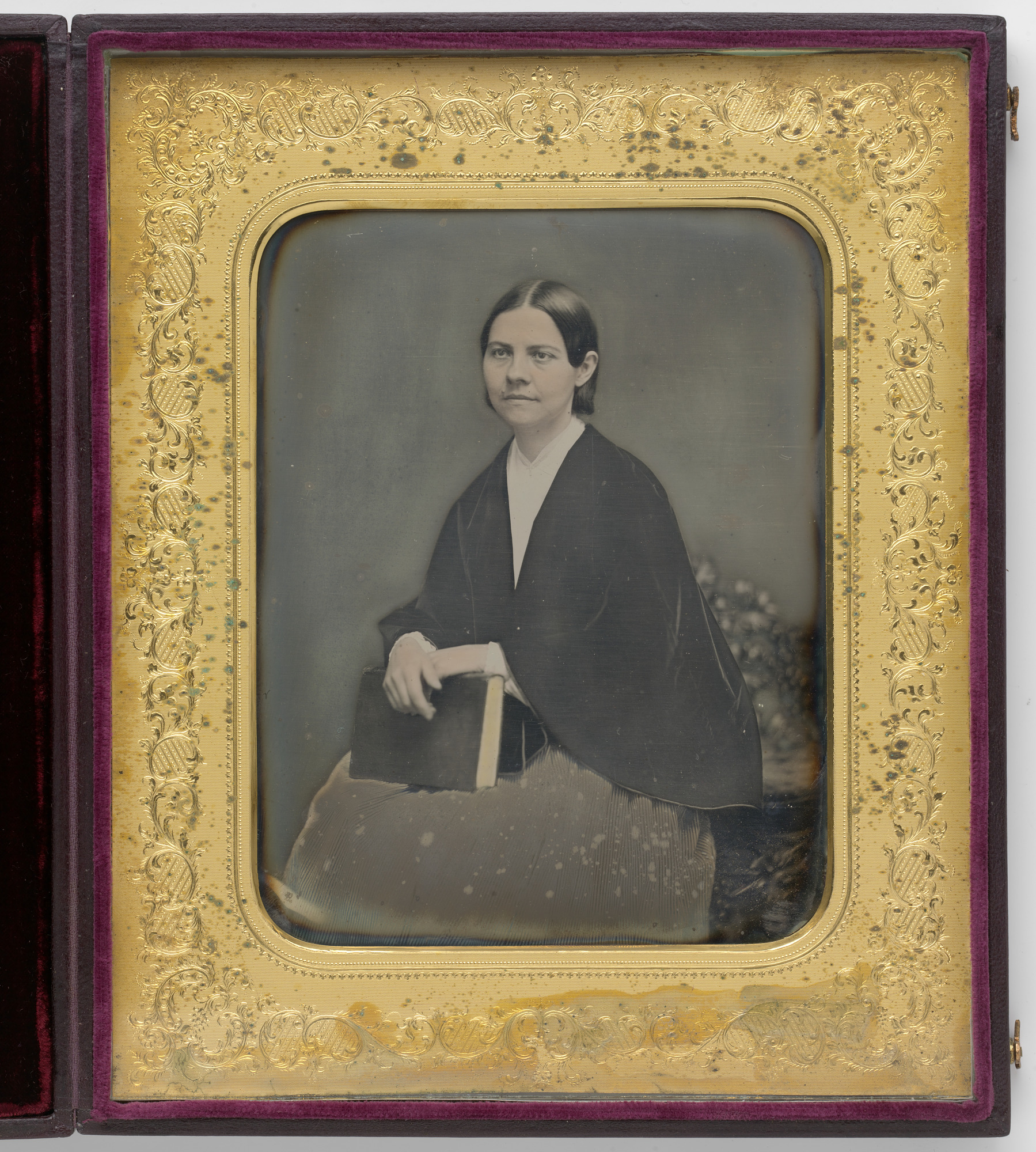
Kate WarneLucy Stone
So, please grab your coffee, tea, hot cocoa, or beverage of choice and sit back to enjoy a conversation of sorts between book creators and their characters.
VIVIAN: Hi, Beth. I’m so glad you are here – and although your character, Kate Warne, and mine, Lucy Stone, can’t be here in person with us, I know they are here in spirit. So, I’m curious. Why did you feel kids needed to know about Kate? How will young readers relate to her hopes and dreams and the path she decided to take to become a Pinkerton detective?
BETH: Thanks so much, Vivian. I’m excited to chat about these amazing women. Kate’s story interested me for so many reasons! It was a detective story! With a gutsy woman who blazed an unusual path. It’s about a piece of history, the Baltimore Plot, which I’d never heard of before. And, it features a favorite person from history, Abraham Lincoln. Like me, I think kids will connect to the secrets, a dangerous plot, and be fascinated by this exciting peek “behind the scenes” that lets us know how complicated, and surprising, history can be.
Kids need to know about Kate because she’s a “regular” person like most of us. She put herself out there, not seeking fame and fortune, and took risks for others—and she impacted history. This event shows how important us regular people are, which can inspire hope, courage, and action when we look at the world today.
So now, I’m curious about your choice. Why did you choose Lucy Stone to write about? Why do you feel kids need to know about her?
VIVIAN: I absolutely love history…and I love discovering people who made a difference, but who might not have been recognized for what they did. I uncovered some information about Lucy Stone when I was researching Annie Londonderry and then someone, I think it was you, told me that there was going to be a Lucy Stone History-At-Play. I saw the performance by Judith Kalaora, who painstakingly researches famous women in American history and then creates fascinating performances, dressed in authentic costumes. The Lucy Stone performance inspired me to find out more. From the performance, it sounded like she was the one who inspired Elizabeth Cady Stanton and Susan B. Anthony to fight for women’s rights. And like you, Beth, when something sparks my curiosity, I have to find out more. I think many kids are like that – and I hope that ONE GIRL’S VOICE will spark the curiosity of many young readers. I believe kids will relate to her because there are many spreads/scenes that take place when she is still a child, railing against the rule of the day in the 19th century, that women should remain silent – and Lucy was determined to make her voice heard – and she did!.
It’s interesting, Beth, that both women lived around the same time. There is a lot of information about Lucy and her early and later life. She was born in 1818 in Massachusetts and died in 1893, but…not much is known about Kate. She was born about 1833 and died in 1868. Their lives intersected in time, if not in person. We don’t know if they ever met, right? Also, how did you craft a story without access to a lot of information?
BETH: That’s true. There is a lot more information about Lucy Stone than there is for Kate Warne. It’s hard to understand how she came to be who she was without knowing much about her childhood. Since this event involves Lincoln and Pinkerton, we have some sources that share Kate’s role. But it’s also interesting to note that some sources mention the plot and Pinkerton, but don’t mention Kate, an example of women often being left out of history. To tell her story, I needed to research far and wide to understand the challenges of her situation and the risks she took.
With such limited information on Kate’s life, it’s impossible to know if she ever knew about or met Lucy Stone. But…I can’t help but think that given the character traits we see in Kate’s actions, she would have read newspapers and followed the news on the fight for women’s rights. Who knows, maybe that inspired her to apply for a “male” job! Since Kate’s actions to save Lincoln remained a secret so she could work as a spy during the Civil War, Lucy couldn’t have known about Kate before her death. If they had met, I think they would have had great respect for each other and cheered each other on.
What do you think?
VIVIAN: Oh, I agree, Beth. Even though they were very different, they both supported equality for all. Kate guarded President Abraham Lincoln with her life, aware that this man was a force for good in the country. And Lucy devoted her life to fighting for abolition, equal rights for women, and equality for all. What I love is that both of them can be role models for young readers, especially girls who can see how important it is to question the status quo…that we can make change happen by our actions. And it’s crucial for boys to grow into men who respect the intelligence and capabilities of women. As Lucy Stone said when she addressed the New Jersey legislature in 1867 regarding woman suffrage, “Why should not a woman be President of the United States? The names of Elizabeth of England, of Catherine of Russia, of Isabella of Spain, of Maria Theresa of Austria – each of these proves woman’s capacity to govern. Are American women alone incompetent for great responsibilities?”
Do you think Kate would have agreed with Lucy’s statement about the ability of women to handle great responsibilities?
BETH: Most definitely! And she proved it! And though Kate could never talk about her work, she had to use her voice and persuasive skills, like Lucy, when she convinced Allan Pinkerton to hire her as a detective. And Pinkerton quickly became a firm believer in the capabilities of women! He created a division of female detectives and put her in charge. I also think it’s crucial for kids to see history through the eyes of people who experienced it – to see how they responded to the challenges they faced.
VIVIAN: Oh yes! That’s so true, Beth. We can read facts about history, but it’s so much more powerful and relatable when we see it through the eyes and actions of the true life characters in these nonfiction picture book biographies. Children can observe how Kate foiled the assassination attempt – and all the planning that she had to do and the courage she had to muster to infiltrate the enemy’s strongholds to learn what was going on. They can watch how Lucy met opposition with calm and steadfast purpose and how she never gave up her battle to secure equal rights for everyone, even when her own life was threatened.
And now dear friends, Beth and I have a couple of special treats for you.
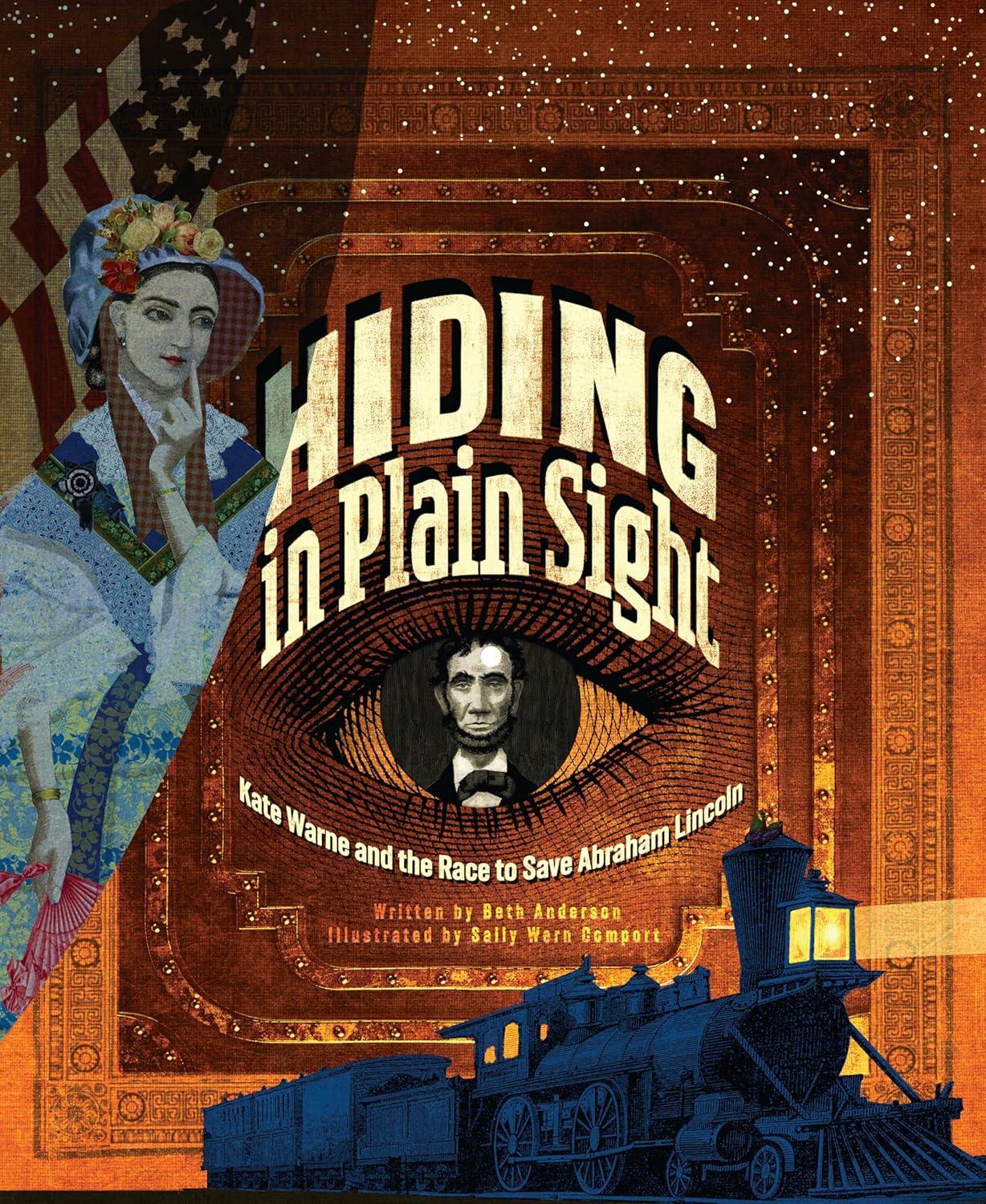
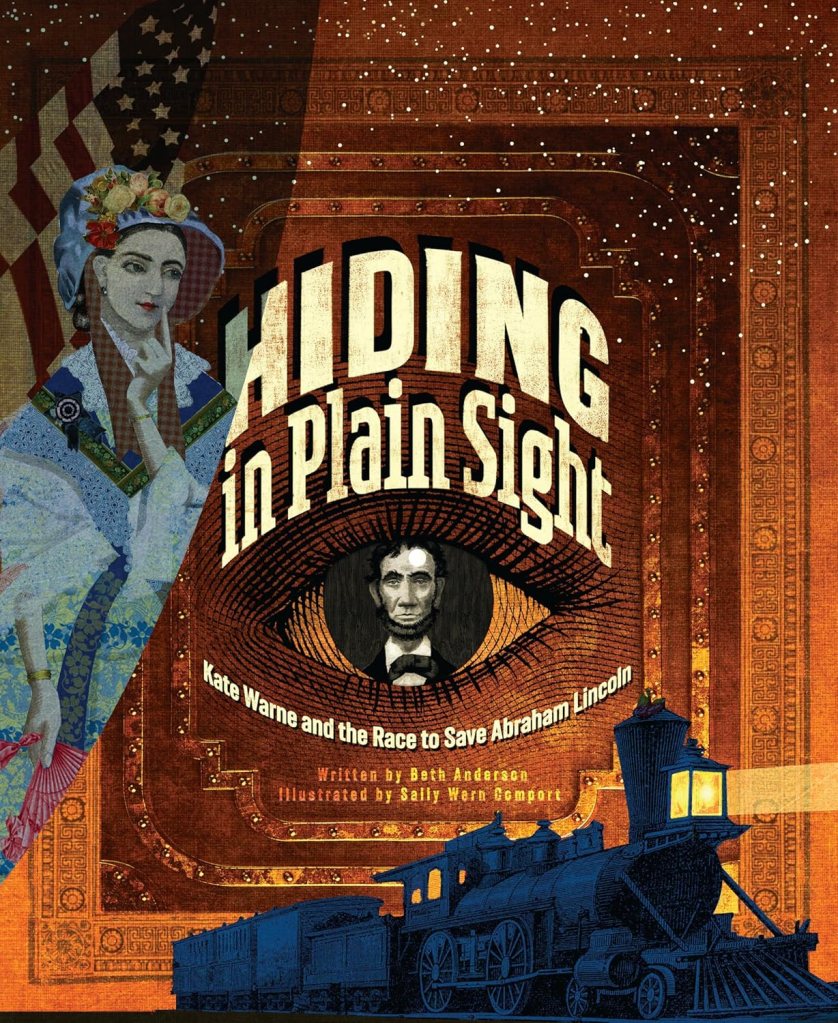
There is a GIVEAWAY! One lucky reader is going to WIN a copy of HIDING IN PLAIN SIGHT: Kate Warne and the Race to Save Abraham Lincoln, illustrated by Sally Wern Comport (Calkins Creek/Astra Books for Young Readers) AND a copy of ONE GIRL’S VOICE: How Lucy Stone Helped Change the Law of the Land, illustrated by Rebecca Gibbon (Calkins Creek/Astra Books for Young Readers). All you need to do is COMMENT on this post OR on Beth’s post: . And if you comment on BOTH POSTS, you get TWO chances to win the double book giveaway! When the winner is chosen on February 21st, Beth will announce and contact the winner and the publisher will send out the books (U.S. addresses only, please) so you’ll have them in time for Women’s History Month!
But that’s not all, folks! Teacher guides are so important because these books are perfect for using in multiple grades and across various curriculum content areas. Beth’s guide for HIDING IN PLAIN SIGHT is already up on her website: Learn more about HIDING IN PLAIN SIGHT and download the EDUCATOR GUIDE here: https://bethandersonwriter.com/hiding-in-plain-sight-kate-warne-and-the-race-to-save-abraham-lincoln/
And my educator guide will be on my website soon.
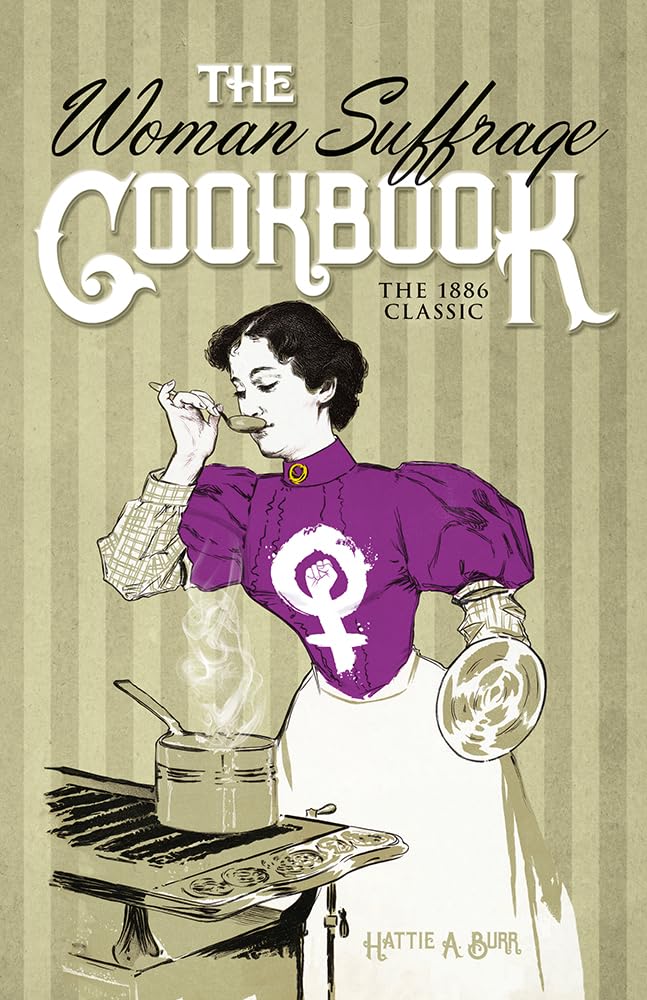
And we are not done yet! After all, this is a Will Write for Cookies post, true? I love to bake and in my research, I discovered that Lucy Stone did, too. Just because she traveled from coast to coast by stagecoach, train, and horse and buggy, speaking out for abolition and women’s rights – and was the first woman from Massachusetts to secure a four-year university degree, doesn’t mean she wasn’t handy around the kitchen. I discovered she has a recipe in THE WOMAN SUFFRAGE COOKBOOK, originally published in 1886 by Hattie Burr. It’s a recipe for YEAST…because in the 1880’s, folks didn’t buy their yeast in little foil packets. So, if you are adventurous in the kitchen and want to give it a try, here is Lucy Stone’s recipe for Home Made Yeast:
Boil a heaping quart of loose hops (or if they are pressed, 2 ounces) in one gallon of water, strain it, when it is cold, put in a small handful of salt., and a half pound of sugar, then take a pound of flour and rub it smooth with some of the liquor, after which make it thin with more of the same liquor and mix all together, let this stand for 24 hours; then boil and mash three pounds of potatoes and add to it, let it stand 24 hours more; then put it in a bottle or tight vessel, and it is ready for use. Shake the bottle before using. It should be kept in a warm place while it is making, and in a cool place afterward.
Beth says we should call it ‘Rise to the Challenge’ yeast – in honor of the brave women in our books. You could use it to prepare cinnamon rolls or any other recipe that calls for yeast. I hope you let me know if you try it. It’s quite labor-intensive, as were most chores that women had to do in those days. There were many similar cookbooks that were published like this one, as a fundraiser for the suffrage movement…and they also served as a mode of communication for women back in the day before the internet and cell phones. I’m excited to read this one from cover to cover to check out the conversations.
Beth and I hope you all enjoyed this conversation between creators and characters. And we hope you’ll do all the things that help books become a success: Buy them: HIDING IN PLAIN SIGHT:
One Girl’s Voice: Tell friends about them Ask your local library to purchase copies
Beth’s book is already proudly sitting on shelves in your local indie bookstores. And mine will be arriving on February 11th – which is my ACTUAL birthday…how cool is that! Plus there are several book events coming up in March for me: March 8 at 1:30pm-3pm: G. Willikers Books and Toys in Portsmouth, NH March 29 at 11am-11:45am – The Silver Unicorn Bookstore in Acton MA
We invite you all to celebrate these wonderful books with us! If you are a teacher or librarian looking for an engaging author visit, please reach out. If you are a writer of narrative nonfiction, each of these books could serve as a mentor text. And if you are a parent of young readers, we hope you’ll share these role models in history with your kids.
Have a great weekend, everyone! And don’t forget to leave a comment here and on the post on Beth’s blog for a chance to WIN this cool book pairing!



 VIVIAN KIRKFIELD - Writer for Children